Colonial Heritage and Historical Foundations
Singapore's metamorphosis from colonial trading post to global financial hub occurred within 200 years, with Raffles' landing in 1819 initiating rapid development that transformed swamp into international city. Historic sites including Raffles Hotel, Armenian Church, and Singapore National Museum preserve colonial-era architecture and narratives documenting Singapore's evolution from British outpost into independent nation. The preservation of historical districts like Chinatown and Little India within contemporary urban landscape reflects deliberate cultural planning ensuring heritage remains visible and accessible despite modernization pressures. Walking heritage trails reveals layers of history written into architecture, street patterns, and cultural continuity where ancient temples function in shadows of gleaming office towers creating tangible past-present dialogue.
Multicultural Identity and Contemporary Harmony
Singapore represents a remarkable multicultural society where Chinese, Malay, Indian, and Western cultures coexist peacefully within cohesive national identity, with four official languages (English, Mandarin, Malay, Tamil) reflecting ethnic composition and historical immigration patterns. Religious diversity flourishes with temples, mosques, churches, and shrines coexisting in neighborhoods and serving communities alongside secular institutions, creating inclusive civic space where spiritual traditions thrive without dominance. Contemporary Singapore actively manages cultural preservation through festivals, museums, and heritage programs that celebrate ethnic traditions while building shared national consciousness transcending ethnic boundaries. This multicultural integration demonstrates possibility of cultural plurality functioning harmoniously within modern city-state, offering global model for peaceful coexistence and mutual respect across religious and cultural boundaries.
Urban Planning and Sustainable Development Innovation
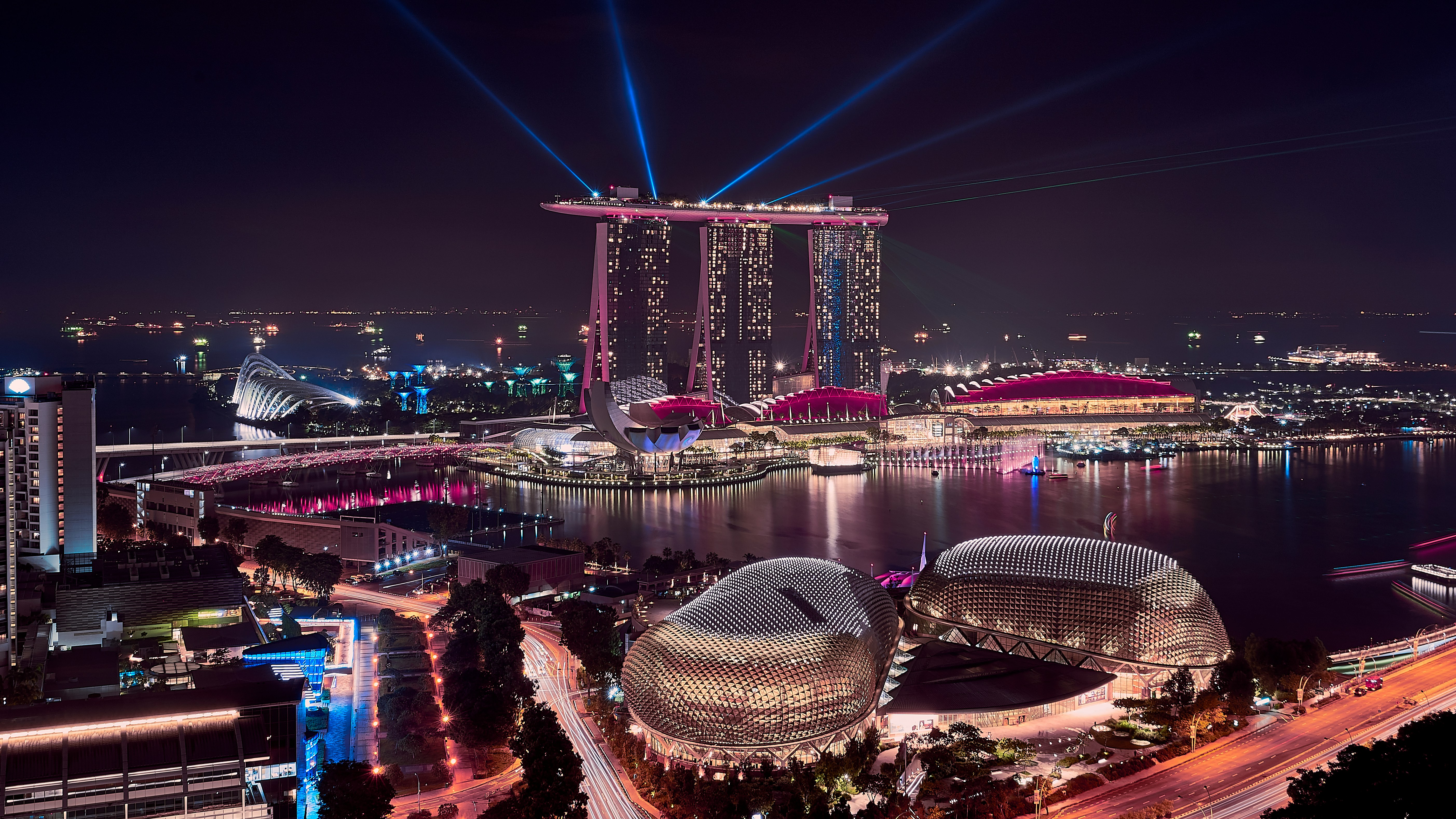
Singapore's rigorous urban planning demonstrates how systematic design transforms limited land into efficient, livable, and green spaces despite extreme population density of 8,000 people per square kilometer. The integration of parks, green roofs, and tree-lined streets throughout urban landscape creates unexpected nature pockets providing environmental benefits and psychological respite from dense development. Public housing dominates Singapore's residential landscape, with 80 percent of population living in government-built flats that combine affordability with quality standards—this alternative to private-market housing offers model for affordable urban living addressing homelessness and displacement plaguing other major cities. Marina Bay and waterfront development projects transformed previously industrial areas into destination spaces, demonstrating how strategic land use conversion revitalizes urban cores and creates recreational amenities supporting quality of life.
Future-Oriented Innovation and Smart City Technology
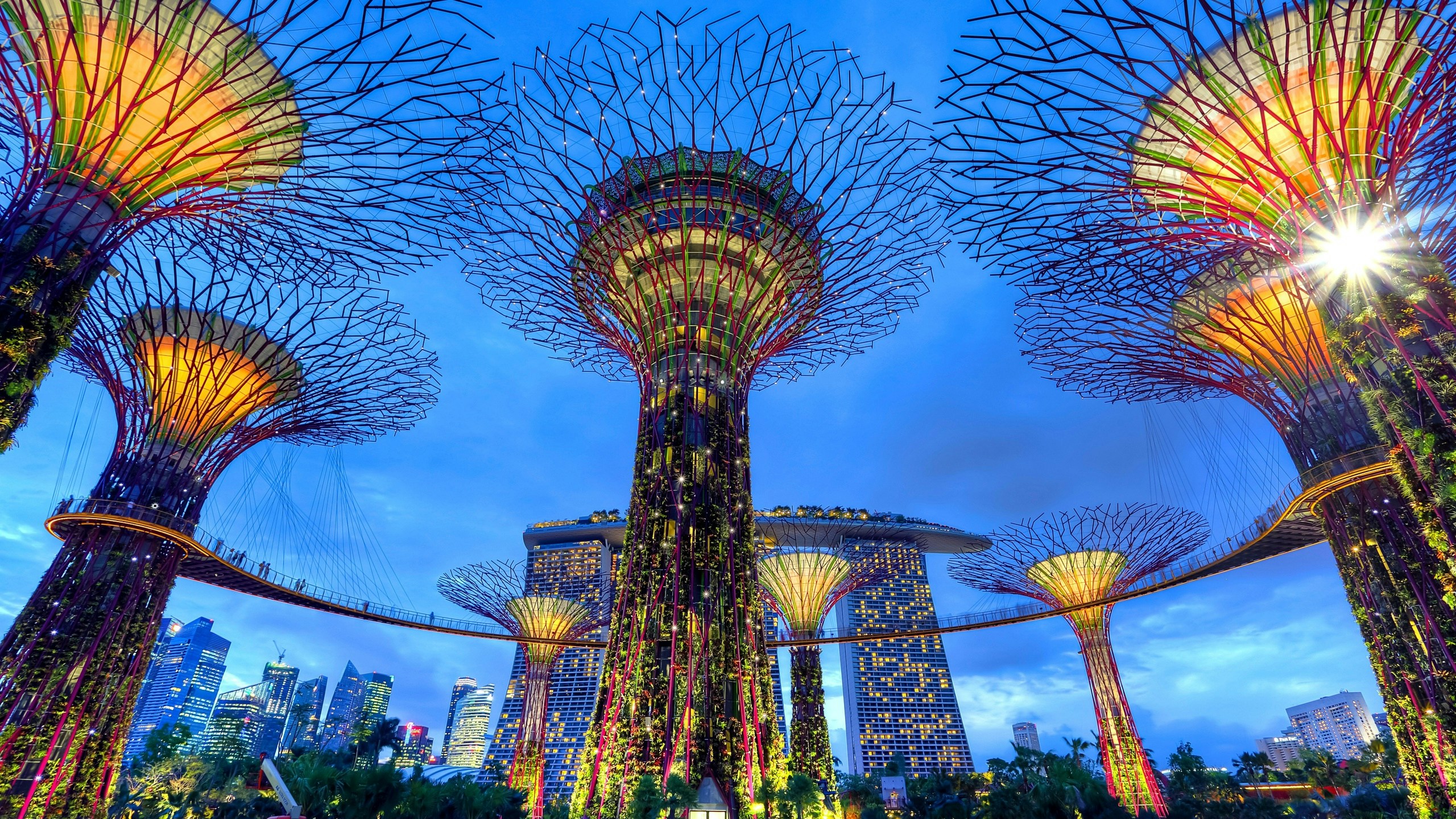
Singapore positions itself as global smart city model, with ubiquitous surveillance, data integration, and AI systems optimizing everything from traffic flow to energy consumption to public health monitoring. The emphasis on technological advancement coexists with environmental commitment, demonstrated through innovative solutions like solar panel installation on reservoirs, vertical farming integration, and efficient public transportation reducing carbon emissions. Contemporary Singapore invests heavily in education and research, hosting world-class universities and attracting technology companies creating innovation ecosystem transforming the island into Asian technology hub competing globally with Silicon Valley and other innovation centers.
Experiencing Contemporary Singapore's Essence
Understanding modern Singapore requires engaging both heritage districts and contemporary spaces—spending time in colonial Raffles area provides historical grounding, while experiencing contemporary culture through tech districts, startup scenes, and modern dining establishments reveals future-oriented orientation. The city's efficiency and cleanliness reflect underlying cultural values prioritizing collective wellbeing over individual convenience, creating spaces that function smoothly while maintaining livability standards. Singapore represents possibility of rapid modernization occurring without obliterating cultural identity or sacrificing quality of life, offering counterpoint to narratives suggesting tradition and contemporary progress must conflict.