The Colombo Gateway: Urban Charm & Colonial Heritage
Colombo, Sri Lanka's bustling capital, combines colonial British architecture, Hindu temples, Muslim mosques, and Buddhist viharas creating a multicultural tapestry reflecting the island's religious diversity. The Galle Face Green oceanfront promenade stretches for kilometers, filled with families, street food vendors, and sunset seekers creating authentic urban Sri Lankan atmosphere beyond tourist enclaves. Fort district preserves colonial-era buildings, old parliament structure, and charming cafes where you can sip Ceylon tea while observing city life unfold at leisurely pace.
Museums including the National Museum showcase Sri Lankan art, history, and royal regalia while the Colombo Temple complex demonstrates how different faiths coexist respectfully within single urban landscape. Negombo, just north of Colombo, offers beach relaxation combined with lagoon boat tours and fishing communities providing authentic coastal encounters. The city's food scene ranges from street vendor kottu roti (shredded flatbread with vegetables) to fine dining establishments, with seafood curries and hoppers (bowl-shaped rice pancakes) earning particular praise.
Most travelers spend 1-2 days exploring Colombo's highlights before heading to cultural triangle destinations, though extended stays reward those interested in urban wandering and local interactions. Arriving at Colombo's Bandaranaike International Airport and immediately heading north via train or bus offers scenic journeys through rural Sri Lanka, but spending initial days adjusting to humid tropical climate and unfamiliar food makes sense for comfort-conscious travelers.
Kandy: Mountains, Temples & Sacred Traditions
Kandy, Sri Lanka's cultural heart nestled amid verdant mountains and emerald lake, serves as spiritual center where the Sacred Tooth Relic (Buddha's left canine) rests within ornate Temple of the Tooth complex. The temple's evening Pooja ceremony, performed with elaborate ritual and genuine devotion, provides profound spiritual experiences as monks chant, drummers beat ancient rhythms, and the sacred relic receives ceremonial veneration. Attending this ceremony connects travelers to 2,000+ year old Buddhist traditions continuing with uninterrupted practice.
Kandy Lake's peaceful shores and surrounding hills create contemplative atmosphere perfect for morning walks, meditation, and reconnection with nature. The Botanical Gardens at Peradeniya, featuring over 4,000 plant species set against mountain backdrops, showcase Sri Lanka's horticultural treasures while offering respite from humidity through tree-shaded paths. Traditional dance performances in Kandy recreate ancient cultural practices—drum dancing, fire walking, and ritualistic movements—though seeking authentic performances in temple contexts rather than tourist shows produces deeper cultural understanding.
The train journey from Colombo to Kandy winds through mountainous tea plantations, forest-covered highlands, and rural villages, offering perhaps Asia's most scenic railway travel. Staying 2-3 days in Kandy allows exploration of the town, temple ceremonies, nearby waterfalls, and spice gardens teaching cultivation of cinnamon, cardamom, and cloves that shaped Sri Lanka's history.
Nuwara Eliya: Mountain Retreat & Tea Landscapes
Nuwara Eliya, situated at 1,895 meters elevation, remains Sri Lanka's coolest region where colonial-era buildings, manicured gardens, and misty mountains create surprisingly British atmosphere in tropical island. The Post Office, Grand Hotel, and Victoria Park preserve Victorian-era elegance while providing comfortable respite from coastal humidity—many Indian travelers find the cooler climate revelatory after hot plains journeys. Horton Plains National Park nearby features World's End, a dramatic cliff edge offering views extending to south coast on clear days, plus challenging hikes through montane forests.
Sri Lanka's central highlands produce world-renowned Ceylon tea; visiting working tea plantations reveals cultivators harvesting leaves in terraced hillsides while local guides explain processing transforming fresh leaves into the beverage beloved globally. Tea factory visits include tasting fresh brews and understanding the intricate knowledge required for consistent flavor profiles. The journey through tea country via scenic mountain trains provides sensory immersion impossible from guidebook study.
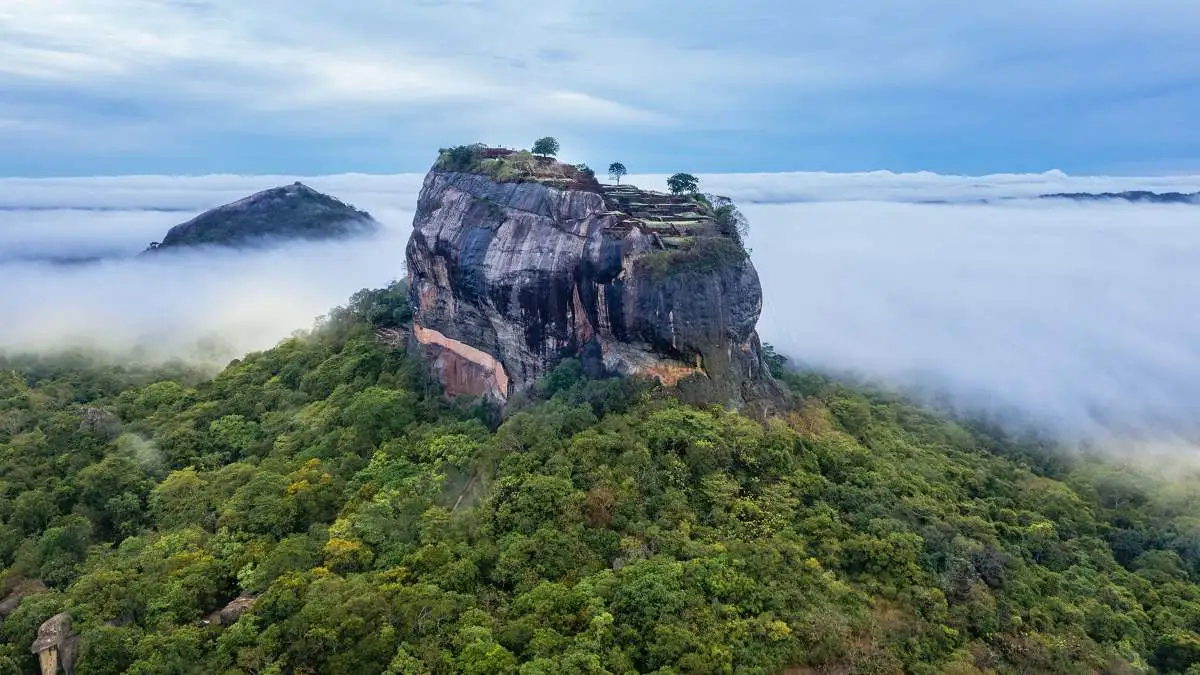
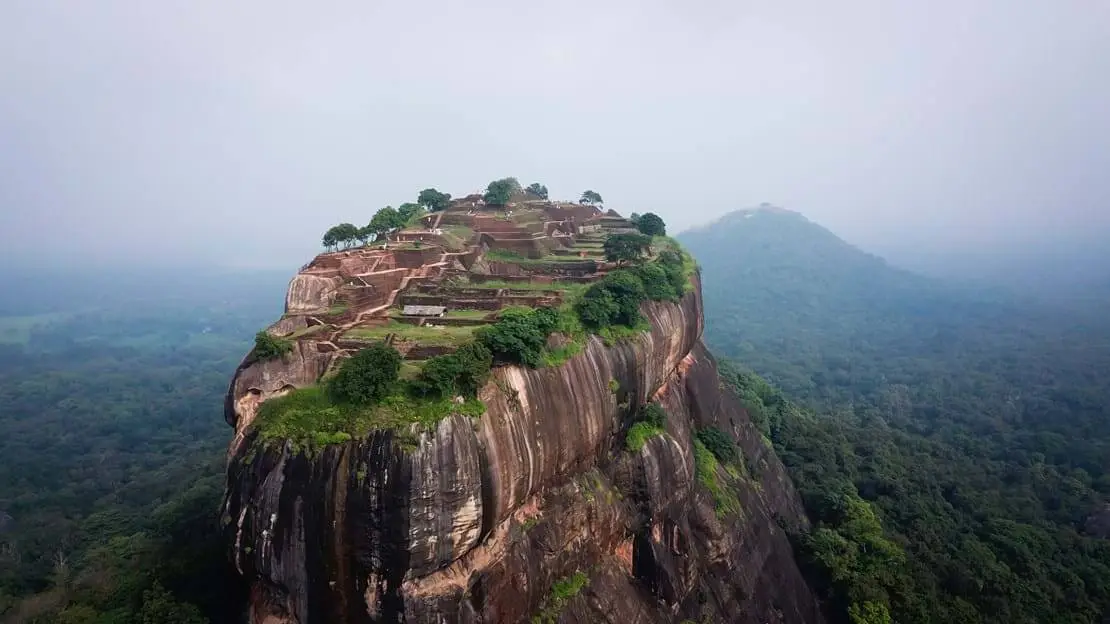
Combining Kandy and Nuwara Eliya explorations captures Sri Lanka's spiritual, cultural, and natural diversity within compact geographical area—the "cultural triangle" concept grouping these locations plus Sigiriya or Polonnaruwa creates efficient itineraries maximizing experiences while minimizing travel time.
Beach Escapes: Tropical Island Fulfillment
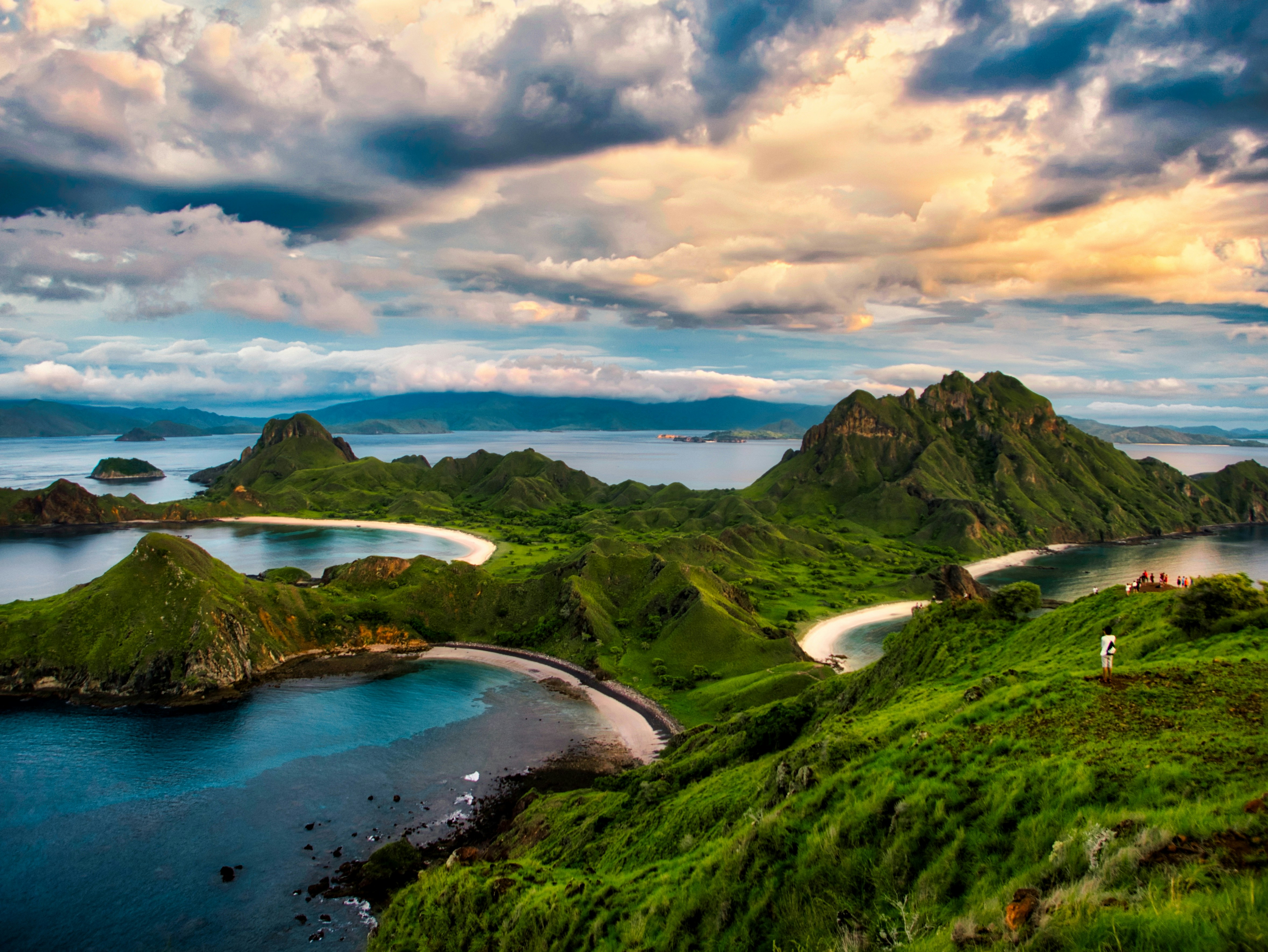
Sri Lanka's coastlines—west, south, and east—each offer distinct beach experiences from upscale resort enclaves to backpacker beach towns to isolated tropical paradises. Mirissa, Unawatuna, and Matara on the south coast provide beach bars, water sports, and cosmopolitan atmospheres attracting younger travelers, while Arugambe's surfing community and Trincomalee's quieter northern beaches appeal to those seeking peaceful ocean time. Whale watching tours departing from Mirissa (December-April) offer opportunities observing blue whales and sperm whales in their natural habitat.
Efficient Triangle Itinerary
A classic Sri Lanka triangle itinerary spans 7-10 days: 1-2 days in Colombo, train journey to Kandy (3-4 hours), 2-3 days in Kandy, scenic journey to Nuwara Eliya (4-5 hours), 1-2 days in mountains, then bus/train to coastal beach destination for final 2-3 days. This routing provides cultural immersion, natural beauty, and beach relaxation within compact timeframe, with excellent public transportation connecting all major points.