Geographic Miracle: Diversity Within Compact Space
Sri Lanka, roughly the size of Jharkhand state, packs mountains, beaches, wetlands, forests, and cultural centers into singular island nation—a geographic efficiency allowing travelers to experience multiple ecosystems and cultures within 7-10 days. Departing Colombo's beaches and traveling just 150 kilometers inland reaches mountain peaks where temperature drops 10-15 degrees Celsius and misty tea plantations replace coconut palms. Continuing another 100 kilometers brings coastal beaches completely distinct from departure points, creating multi-destination vacations feeling like separate journeys despite driving times under 5 hours.
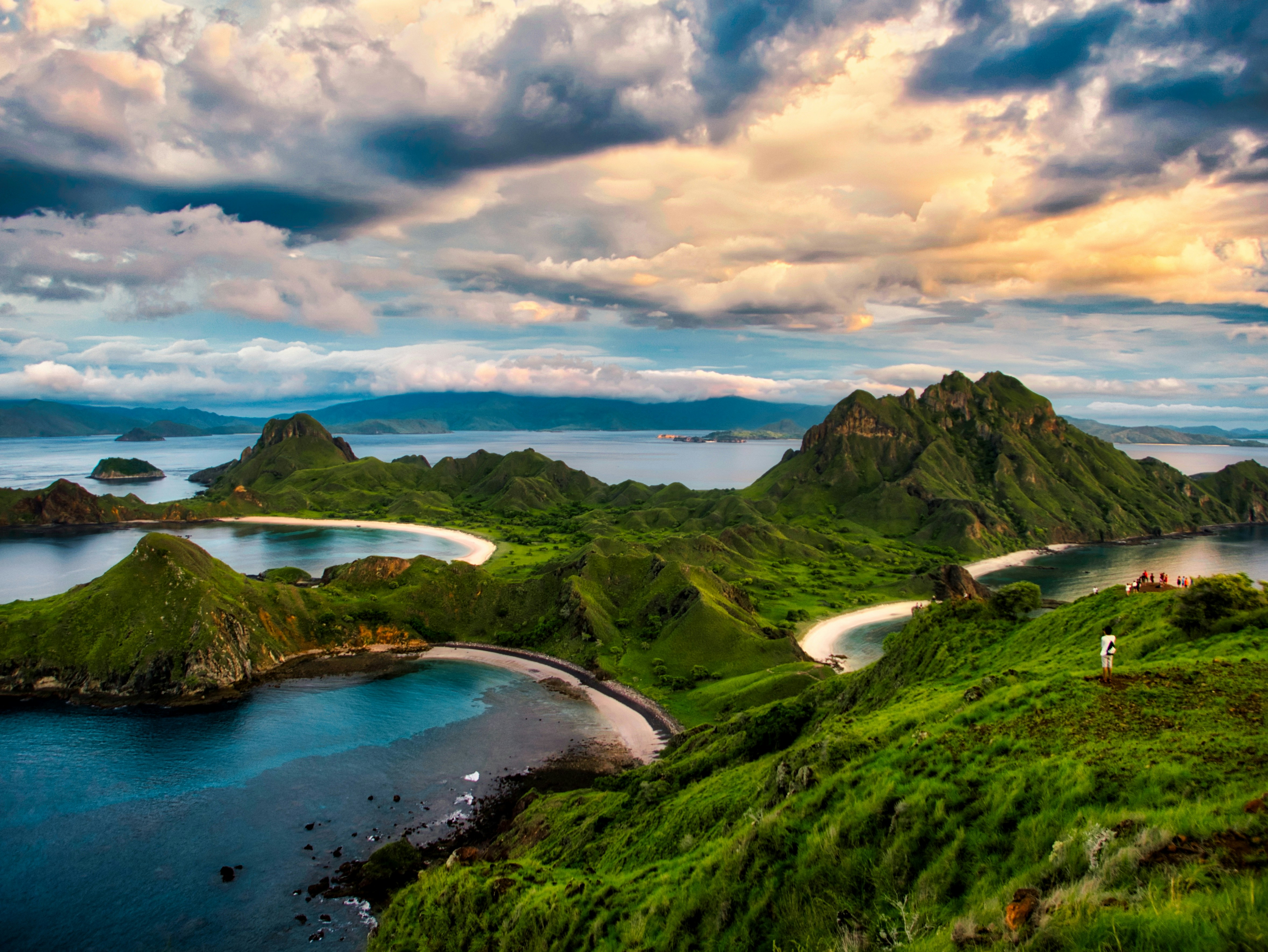
This compactness allows families with limited vacation time or budget-conscious travelers to experience more diversity than regions requiring intercontinental flights. The green interior mountains, blue ocean surroundings, and golden beaches create visual contrast matching their distinct sensory and cultural experiences. Few world regions offer such variety—tropical beaches, cool mountains, ancient temples, vibrant cities, and untouched wilderness—within single compact destination requiring minimal travel between regions.
Climate variations allow travelers choosing their preferred seasons; while coast experiences heat and monsoons seasonally, mountains remain cool and dry during southwest monsoon season (May-September) when coasts receive heavy rains. This means travelers can experience beach periods during optimal seasons and mountains during alternate monsoons, maximizing weather advantages throughout the year.
Spiritual Depth: Buddhism's Living Tradition
Sri Lanka maintains world's oldest continuously unbroken Buddhist tradition, with the Theravada school preserving Buddhist teachings in original form for 2,500 years. Walking through any rural region reveals stupas (sacred mounds), temples, and shrines where locals practice devotion as integral life component rather than cultural artifact. Temple festivals, full moon observances (Poya Days), and daily worship rituals reflect spirituality woven into daily existence—witnessing genuine Buddhist practice offers profound spiritual nourishment to Indian travelers familiar with Hindu and Buddhist philosophy.
The Sacred Tooth Relic enshrined in Kandy's temple represents perhaps world's most revered Buddhist artifact, attracting pilgrims from across Asia who journey specifically for darshan (sacred viewing). Participating in temple ceremonies, observing monks' daily practices, and receiving blessings from senior monks creates opportunities for spiritual connection transcending religious boundaries. Many visitors report that witnessing Sri Lankan Buddhism's devotion, simplicity, and integration with daily life inspired deeper personal spiritual understanding.
Adam's Peak, a 2,243-meter mountain sacred to Buddhists, Hindus, and Muslims simultaneously, symbolizes Sri Lanka's religious pluralism and spiritual significance. The pilgrimage to the summit, undertaken by millions annually, combines spiritual purpose with physical challenge in landscape of extraordinary beauty. Buddhist meditation centers throughout the island welcome visitors for intensive practice—some international retreats operate in English, allowing participation in thousand-year traditions within supportive environments.
Cultural Synthesis: Multiple Faiths, Single Island
Sri Lanka's remarkable religious diversity—Buddhist majority (70%), with significant Hindu, Muslim, and Christian populations—coexists in enviable harmony, with temples, mosques, churches, and shrines often neighboring each other. Visiting Colombo's religious complex where Buddhist vihara, Hindu temple, mosque, and church stand adjacent demonstrates how different faiths share spiritual space respectfully. Festivals like Vesak (Buddhist New Year), Diwali (Hindu), Eid (Muslim), and Christmas (Christian) receive national celebration, with public holidays acknowledging all communities' sacred times.
This interreligious harmony, increasingly rare globally, offers Indian travelers models for coexistence and mutual respect transcending sectarian conflicts. The cultural lesson—that spiritual depth and religious diversity strengthen rather than weaken societies—proves increasingly relevant in polarized times. Sri Lanka demonstrates that nations can honor multiple traditions simultaneously without requiring religious dominance or exclusion.
Sri Lankan cuisine reflects cultural synthesis through dishes influenced by Arab traders, Portuguese colonizers, Dutch settlers, and British administrators blended with indigenous traditions. Lamprais (rice baked in banana leaf), kottu roti (chopped flatbread), and hoppers (bowl-shaped rice pancakes) represent unique Sri Lankan innovations unavailable elsewhere, embodying cultural synthesis through culinary creativity.
Natural Wonders: Biodiversity & Geological Marvels
Sri Lanka qualifies as biodiversity hotspot with exceptional concentrations of endemic species found nowhere else globally—wildlife enthusiasts witness leopards, sloth bears, sambar deer, and unique bird species in Yala National Park while ocean environments host dolphins, whales, and turtle populations. The biodiversity reflects Sri Lanka's geological complexity, with multiple climate zones supporting distinct ecosystems despite island's small size.
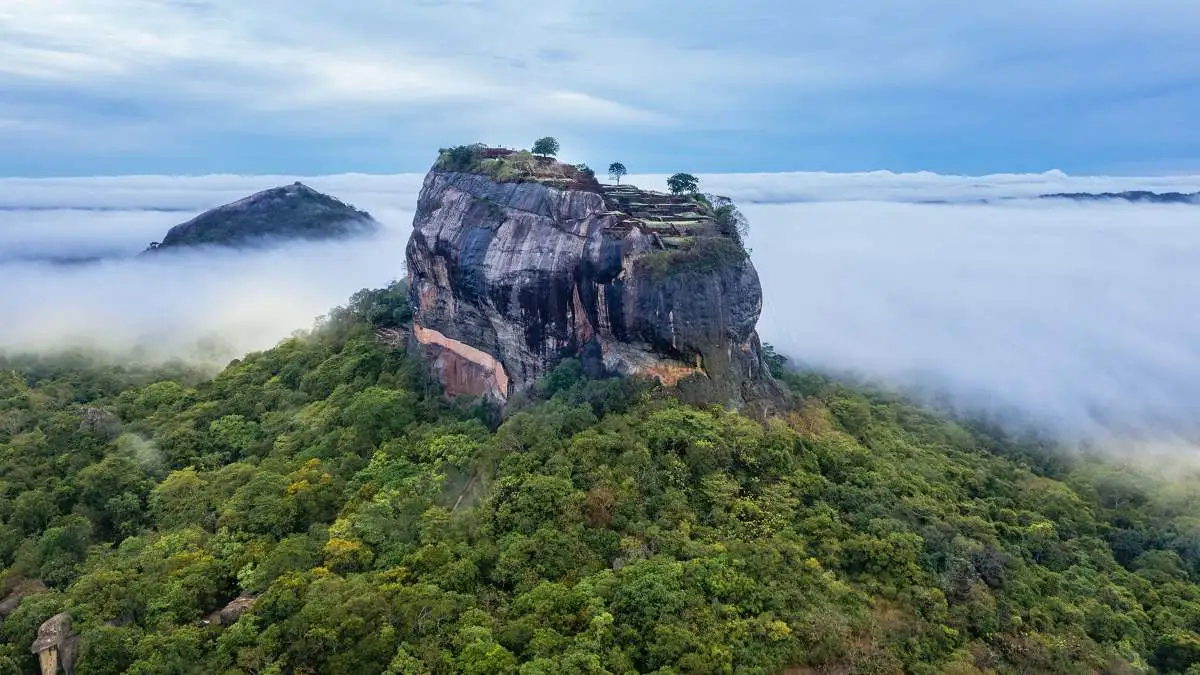
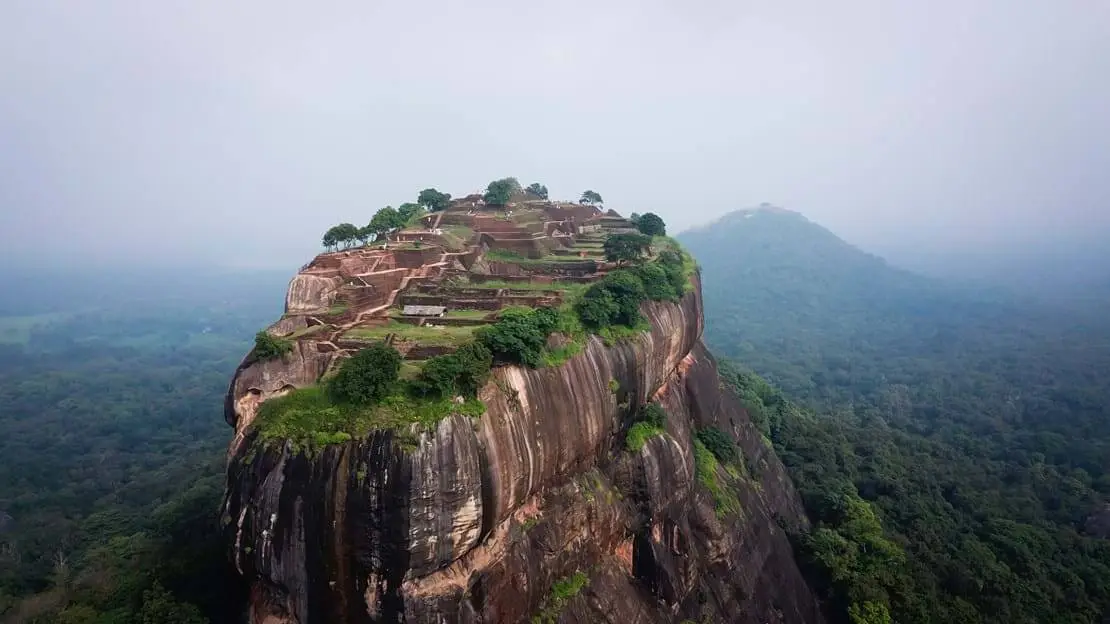
Waterfalls cascade through mountain regions—Dambulla Golden Cave complex features Buddha statues carved into rock faces with painted ceiling murals executed centuries ago by devotional artists. Sigiriya's ancient palace fortress rises dramatically from central plains, surrounded by moat and fortifications demonstrating advanced engineering and aesthetic sensibility. These natural and cultural wonders, preserved across millennia, remind visitors of human capability for creating beauty and meaning through devotion and craftsmanship.
Sustainable Tourism: Responsible Travel Impact
Sri Lanka's tourism industry recovered post-conflict within two decades, creating economic opportunities for locals while threatening environmental fragility—choosing responsible tourism matters significantly here. Supporting family-run guesthouses, eating at local restaurants, hiring local guides, and purchasing from artisan cooperatives ensures your travel directly benefits communities. Avoiding single-use plastics, respecting wildlife viewing distances, and declining elephant riding experiences protect Sri Lanka's natural treasures.
The Essence of Sri Lanka: Warmth & Resilience
Sri Lankans, having endured conflict and natural disaster, demonstrate remarkable warmth and optimism toward tourists—visitors consistently report genuine welcomes and unexpected kindnesses from locals eager to share their island's beauty. This warmth, combined with natural diversity, spiritual depth, and cultural richness, creates experiences profoundly enriching to travelers willing to venture beyond resort compounds into authentic Sri Lankan communities and landscapes.