The Alps as Sacred Natural Cathedral
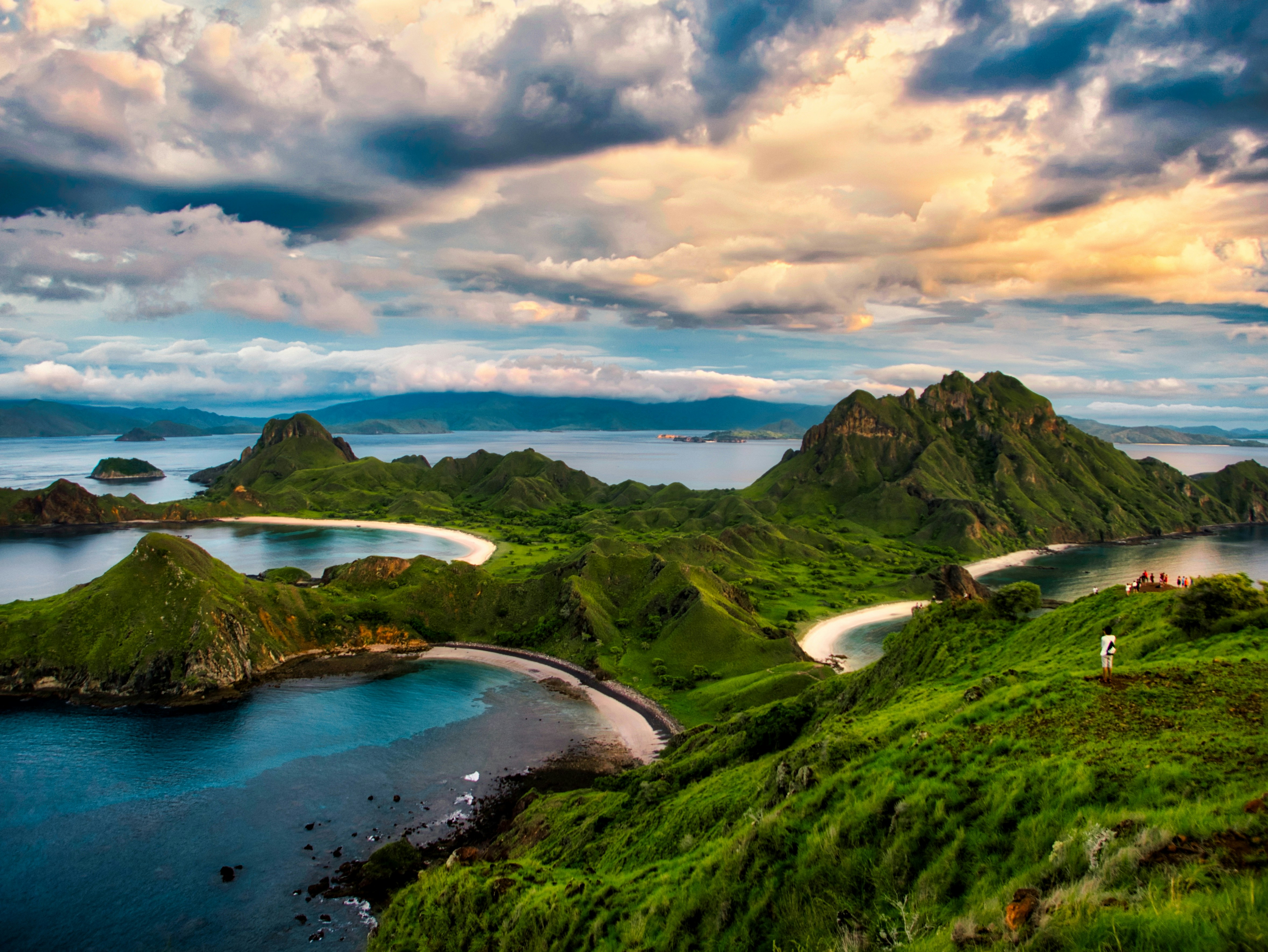
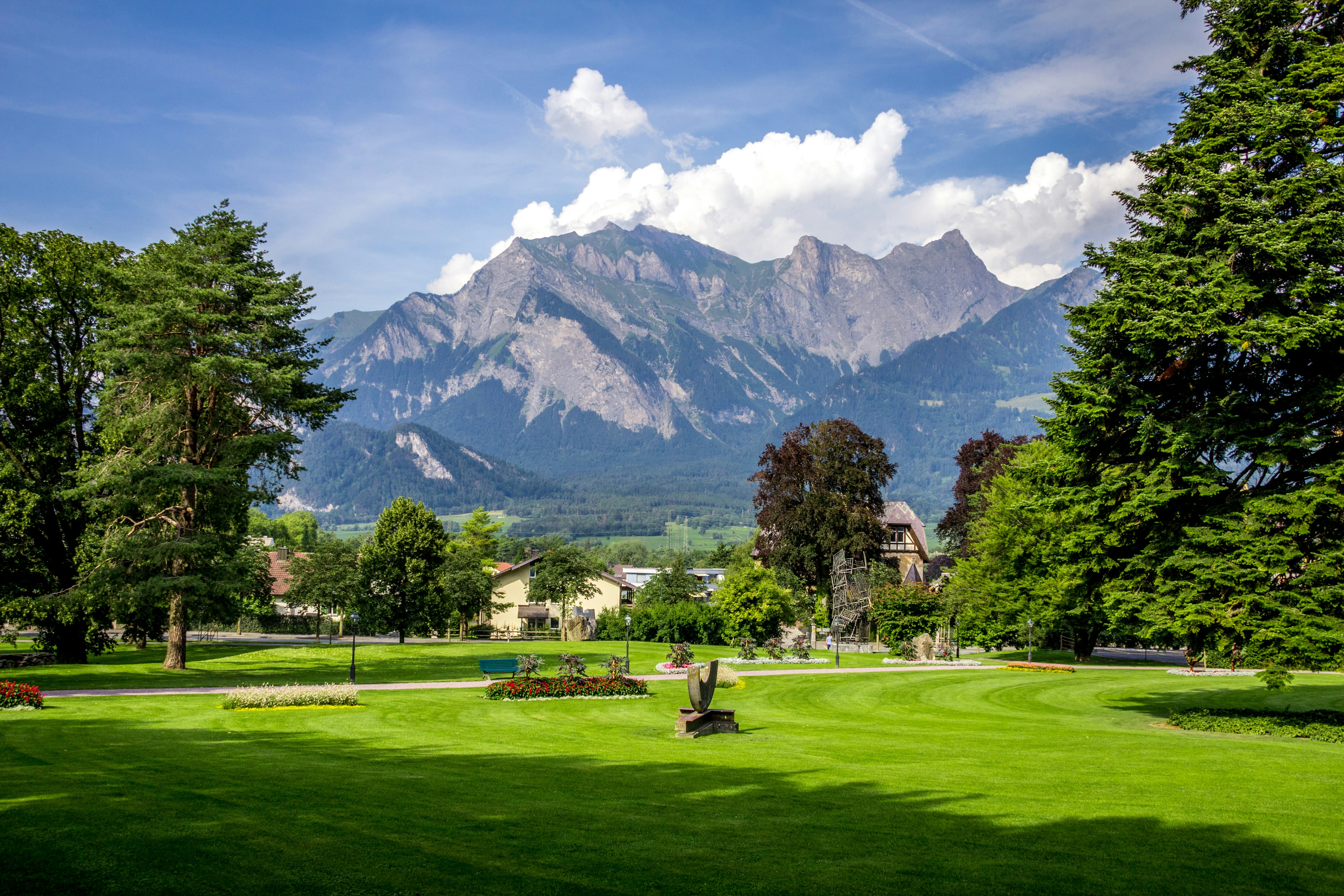
Switzerland's mountain landscape transcends mere geography, representing nature's ultimate architectural achievement with peaks piercing cloud layers and valleys carved through millennia of glacial movement. Standing before Matterhorn's pyramidal summit or gazing across Jungfrau's eternal white expanse creates spiritual awe that words inadequately capture. These mountains have shaped Swiss culture profoundly, inspiring artists, poets, and philosophers while providing identity and pride that permeates contemporary Swiss society. When you stand in an alpine meadow at dawn, watching light transform the peaks from violet to rose gold to brilliant white, you understand why 19th-century Romantic painters journeyed to Switzerland obsessed with capturing this light. The mountains demand reverence—their scale renders human concerns momentarily insignificant, a humbling perspective that many travelers report as genuinely transformative. Alpine thunderstorms that gather across peaks with dramatic speed, heavy rain that cleanses the valleys, and clear nights where the Milky Way stretches across the entire sky above glacial summits create a profound sense of connection to natural forces that modern urban life typically obscures. The mountains impose seasons with absolute authority: spring arrives at different elevations at different times, summer exists in a narrow window measured in weeks, autumn transforms larch forests from green to gold to bare branches in days, and winter locks the high passes under snow. This seasonal rhythm connects Swiss culture to nature's calendar in ways increasingly rare in the modern world.
Human Engineering Within Natural Constraints: Order Meets Beauty
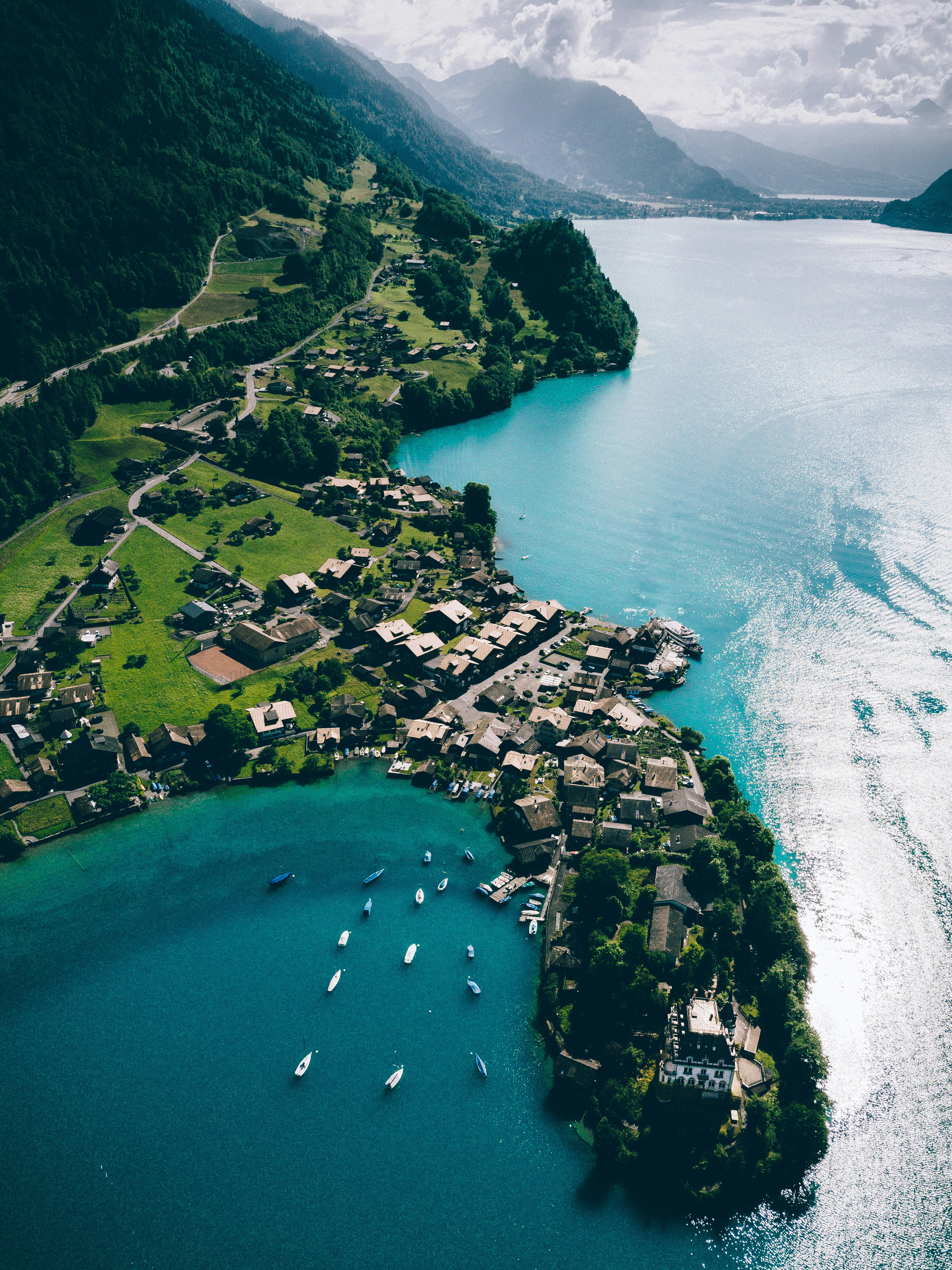
Swiss civilization demonstrates remarkable harmony between human development and natural preservation, with infrastructure integrated respectfully into landscapes rather than dominating them. Mountain villages blend seamlessly with surroundings, using traditional architecture and materials honoring alpine heritage—the Bernese farmhouses with their broad overhanging roofs designed to shed heavy winter snows, the limestone chalets with decorative paintings on shutters, the stone walls built centuries ago that still contain livestock today. The legendary punctuality and efficiency of Swiss systems extend from trains to restaurants to post offices, reflecting cultural values emphasizing order, precision, and reliability in all endeavors. Swiss trains depart to the second with such consistency that visitors are amazed; hiking trail signposts direct you with such clarity that getting lost becomes virtually impossible; restaurant tables seat you moments after booking times; and hotel rooms meet specifications so precise that amenities match descriptions exactly. This cultural obsession with order isn't sterile or robotic—rather, it reflects respect: for the traveler's time, for the visitor's comfort, for the natural environment's limits. You experience this in subtle ways: the absence of litter in wilderness areas despite millions of visitors, the fact that mountain huts maintain guest books dating back 50+ years, the way alpine meadows remain free from invasive species due to strict agricultural regulations. Swiss efficiency stems from environmental necessity—living in mountains where weather can turn deadly in minutes, where avalanches periodically destroy valleys, where limited arable land cannot sustain waste, creates cultural imperatives toward precision and planning. Watching Swiss infrastructure in action reveals a culture that has learned from its geography.
Four Languages, One Unified Spirit: Unity Through Respect
Switzerland's multilingual character (German spoken by 63% in the north, French by 23% in the west, Italian by 8% in the south, and Romansh by remnant communities) demonstrates how cultural diversity strengthens rather than weakens nations through mutual respect and understanding. Regional identities coexist peacefully with national Swiss identity, creating a federalist model admired worldwide as proof that multilingual nations can thrive when built on genuine respect for difference rather than imposed uniformity. Traveling through different linguistic regions reveals subtle cultural variations while encountering consistent Swiss values of punctuality, cleanliness, and orderliness that transcend language boundaries. When you cross from German-speaking Switzerland into the French-speaking Romandy, the architecture shifts, menus change, speech rhythms transform, yet the fundamental Swiss character persists—the same respect for punctuality, the same emphasis on quality, the same alpine values. Italian-speaking Ticino feels almost Mediterranean compared to the north, with palm trees adorning lakeside promenades and Italian architectural influences visible in loggia-style buildings, yet the trains run on time and the efficiency remains. This linguistic diversity creates a remarkable situation where locals sometimes speak three or four languages casually, where street signs appear in multiple languages, and where young people often code-switch between languages mid-conversation. Rather than creating friction, this multilingualism seems to foster a culture of tolerance and flexibility—if your neighbors speak different languages, you naturally develop patience with difference. For visitors, this means that attempting to speak Swiss German in the German regions, French in the west, or Italian in the south delights locals far more than mastering perfect accents; the effort to bridge language differences itself demonstrates respect for regional identity.
Alpine Traditions & Cultural Continuity: Living Heritage
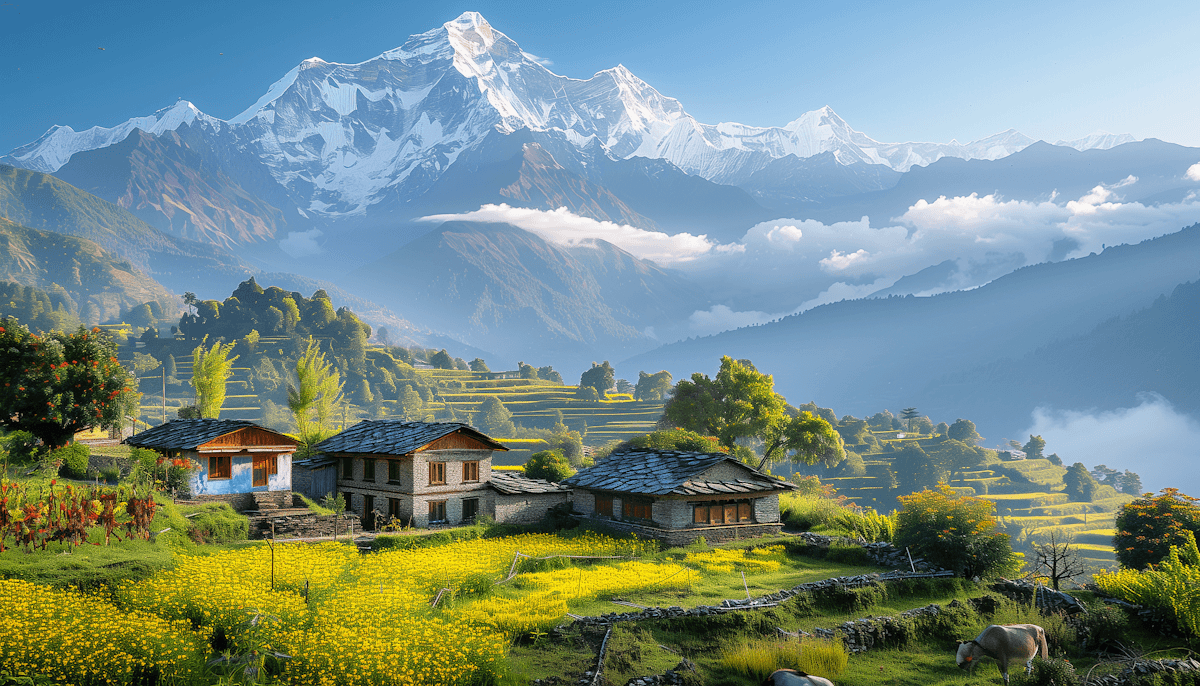
Swiss traditions including yodeling, alphorn playing, and traditional festivals connect contemporary culture with centuries-old heritage preserved actively through living practice rather than museum exhibition. Alp festivals celebrate summer cow movements to high-altitude pastures, maintaining pastoral practices evolved over generations—the spectacle of hundreds of cows adorned with flowers and enormous bells marching up mountainsides while locals play alphorns and yodel creates moments that feel transported from another era, yet happen annually in villages throughout Switzerland. These aren't performances for tourists but celebrations of genuine cultural significance: farmers genuinely move cattle to high pastures in summer and back down in autumn, following a cycle repeated for centuries. Local craftsmanship in watchmaking, cheese production, and chocolate manufacturing demonstrates pride in quality and tradition that defines Swiss cultural identity. When you visit a small cheese maker in the Appenzell region tending to cattle whose milk produces a specific cheese style perfected over 300 years, or when you tour a watchmaker's atelier where a single craftsperson spends six months constructing one chronometer by hand, you witness a fundamentally different relationship to work than mass production permits. These aren't quaint relics but living practices: tourists seeking authentic experiences increasingly seek out family businesses where the current generation continues practices their ancestors perfected. Traditional costume still appears at festivals throughout Switzerland—women in embroidered dirndls and men in leather knee breeches—not as forced nostalgia but as genuine cultural pride. The Appenzell region maintains a direct democracy where thousands of people gather outdoors annually to vote on local issues by show of hands, a system essentially unchanged in substance for centuries. These traditions persist because Swiss culture values continuity and connection to heritage as genuine goods, not obstacles to modernity.
Environmental Stewardship & Sustainability: Conservation as Cultural Value
Switzerland leads globally in environmental protection and renewable energy adoption, with hydroelectric power from mountain watersheds providing over 60% of the nation's electricity—clean, renewable energy generated by the very geography that defines Swiss identity. Strict environmental regulations protect alpine ecosystems and air quality, maintaining natural beauty for future generations while setting global standards: Swiss regulations limit vehicle emissions more strictly than EU standards, require strict waste separation and recycling (with some regions achieving 80%+ recycling rates), and protect groundwater through regulations that prohibit industrial contamination. Visiting Switzerland supports a nation genuinely committed to sustainable practices and conservation, offering travelers peace knowing their tourism dollars support preservation rather than exploitation. The Swiss consciously limit overdevelopment in mountain regions—cable cars and mountain railways carry visitors sustainably without requiring roads that would scar alpine landscapes, mountain hotels maintain strict environmental standards reducing their footprint, and national parks protect wilderness from commercial exploitation. This commitment stems partly from pragmatism (clean water depends on alpine watershed protection, tourism depends on preserving stunning scenery, health depends on clean air) but also from genuine cultural values emphasizing stewardship. When you hike through Swiss wilderness, the fact that you encounter virtually no litter reflects not just enforcement but cultural internalization of environmental values—leaving trash behind feels not just wrong but culturally disrespectful, contrary to Swiss identity. Switzerland's commitment to renewable energy, organic agriculture, and environmental protection represents not just policies but cultural values that permeate society: visitors frequently comment that Swiss cleanliness and orderliness extend to environmental protection, as though the same cultural impulse toward precision that produces punctual trains also produces environmental consciousness.