Zurich: Switzerland's Cosmopolitan Gateway
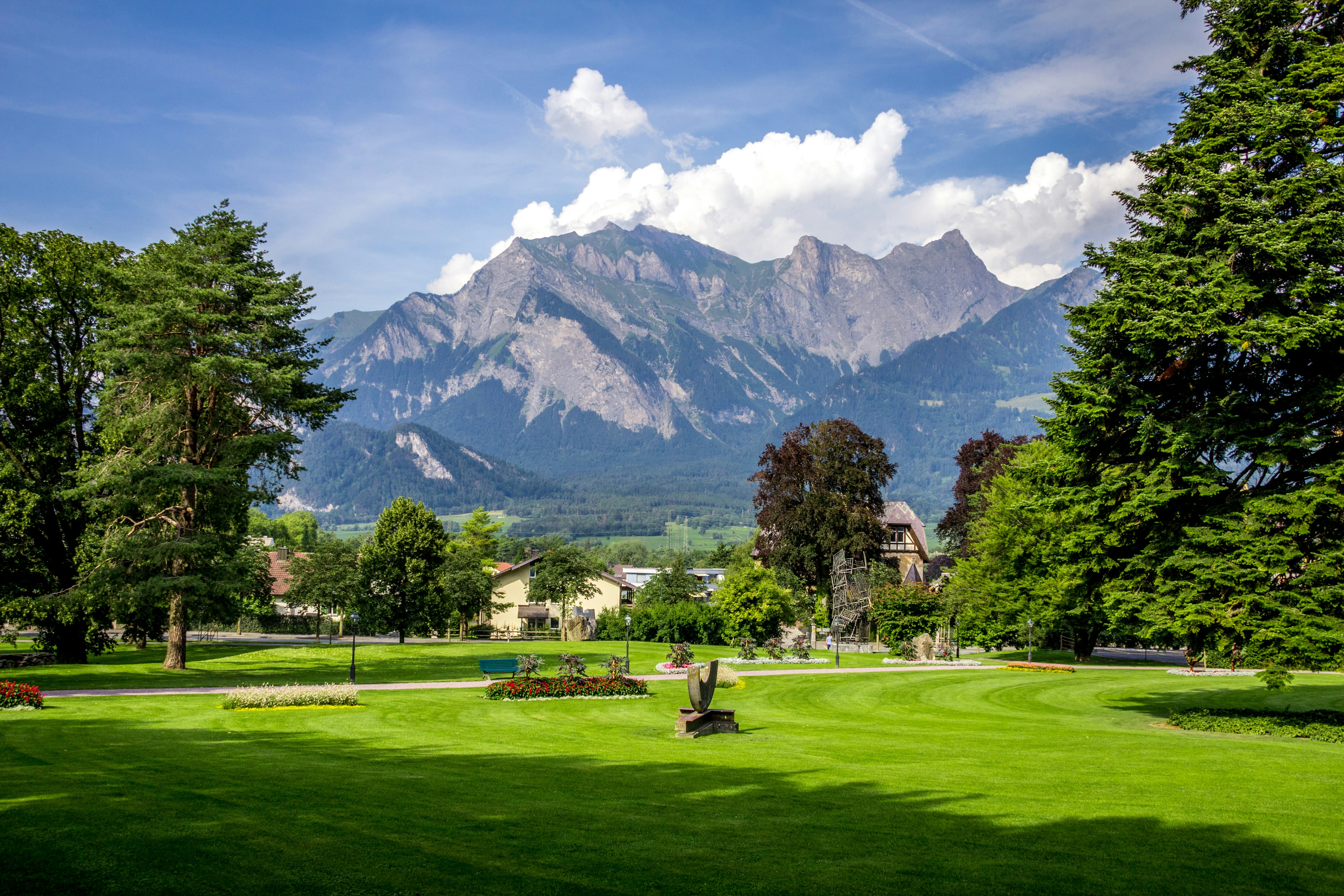
Zurich seamlessly blends medieval charm with contemporary sophistication, embodying the quintessential Swiss spirit of precision elegance. The Old Town (Altstadt) preserves narrow cobblestone alleys where time seems to move at a gentler pace, with ancient churches standing sentinel over centuries-old architecture. Wander past shuttered townhouses painted in pastel hues, their window boxes overflowing with geraniums in summer. Lake Zurich—a shimmering sapphire that stretches 40 kilometers—provides a serene escape with swimming beaches, sailing opportunities, and scenic lakeside promenades where locals and visitors alike enjoy afternoon strolls. The Bahnhofstrasse rivals the world's finest shopping streets, while world-class museums and galleries satisfy intellectual curiosity: the Kunsthaus features Swiss art and contemporary installations, the Swiss National Museum chronicles the nation's cultural evolution, and the Zurich Opera House hosts world-renowned performances. For a true local experience, join residents at the lakeside Frau Gerolds Garten in summer, where open-air dining transforms industrial heritage into vibrant community gathering spaces. The city's efficient public transport system ensures you can navigate from medieval quarters to cutting-edge design districts in minutes.
Interlaken: The Alpine Adventure Capital Where Mountains Embrace the Town
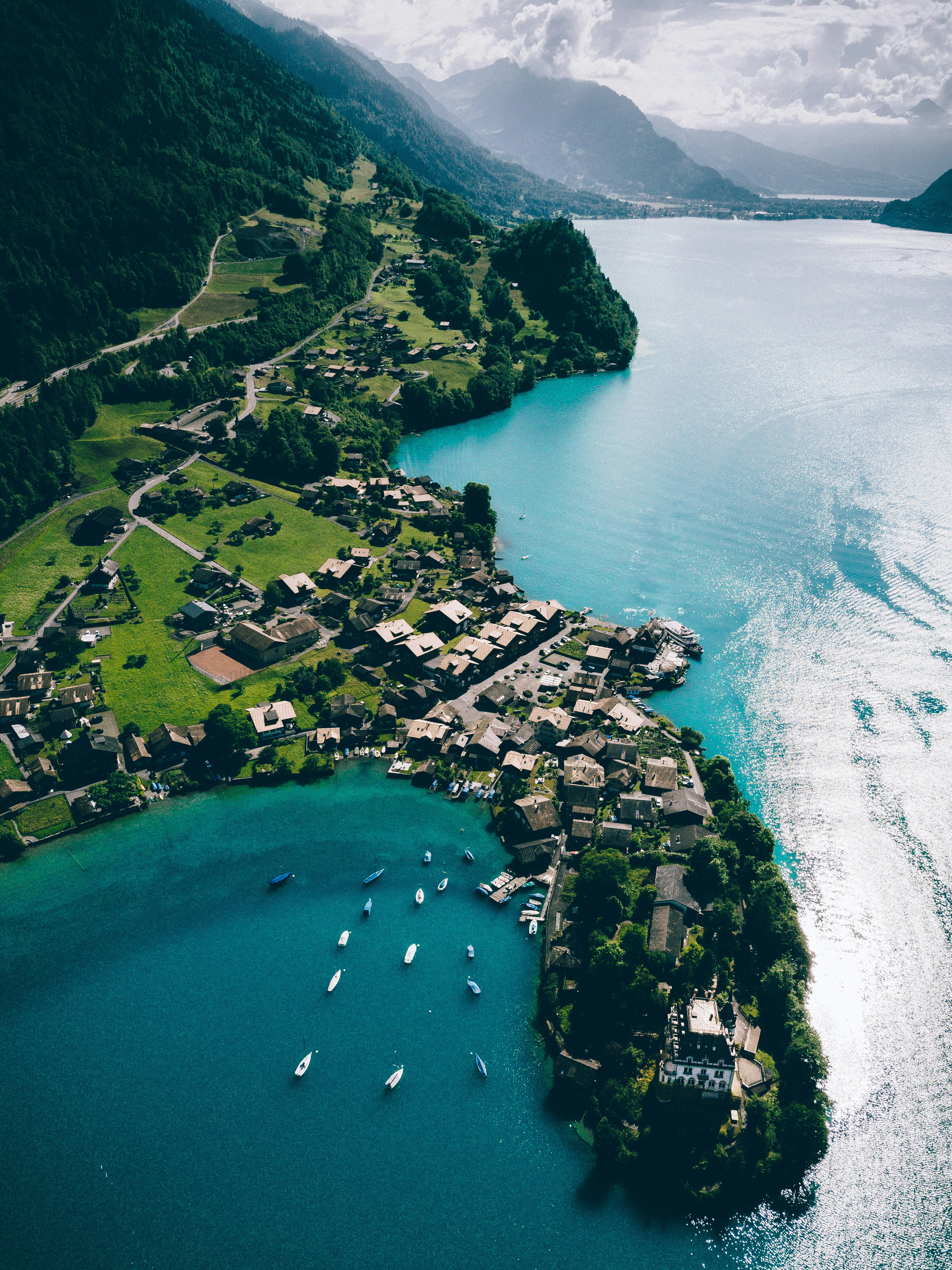
Interlaken occupies one of Europe's most dramatically situated locations, cradled between Lake Brienz and Lake Thun with the jagged Bernese Oberland mountains rising dramatically in every direction. During summer, the meadows that surround the town explode with wildflowers—purple lupines, white marguerites, and golden arnica creating a natural tapestry. The town transforms into an adventure playground where paragliders launch from cliff edges, creating a colorful sky canvas; where canyoning enthusiasts navigate through mountain gorges with thundering waterfalls; and where mountain bikers tackle trails ranging from gentle lakeside routes to challenging alpine passes. For adrenaline seekers, Interlaken delivers skydiving, white-water rafting, and hand-gliding that reward you with unparalleled aerial perspectives of the surrounding peaks. However, the town caters equally well to those seeking gentler pursuits: scenic train rides on the Bernese Oberland Railway deliver you to villages perched impossibly high on mountainsides, leisurely walks through forests of larch and pine lead to hidden alpine lakes, and afternoon teas in Belle Époque hotels transport you to another era. The strategic location makes Interlaken the perfect base for exploring the surrounding mountains; you can reach the Eiger's base at Grindelwald, the Jungfrau's summit railway, and the medieval charm of Thun—all within easy day trips. The town's infrastructure—excellent hotels, mountain guides, equipment rentals—supports exploration at every adventure level, from families with young children to seasoned mountaineers pursuing technical climbs.
Jungfrau & Bernese Oberland Mountains: Conquering Europe's Alpine Crown
The Jungfrau region showcases Switzerland's most iconic alpine scenery, a landscape so magnificent that UNESCO designated the entire Jungfrau-Aletsch region a World Heritage Site. The famous Jungfrau Railway—an engineering marvel from 1912—climbs 9 kilometers through rock tunnels to Jungfraujoch at 3,454 meters, Europe's highest railway station, situated between the Jungfrau's soaring north face and the Eiger's brooding presence. From the summit, on clear days, you see glaciers flowing beneath you like frozen rivers, peaks extending toward Chamonix and Mont Blanc on the French border, and valleys plunging thousands of meters below. The Aletsch Glacier, which dominates the panorama, stretches 22 kilometers—Europe's longest. The surrounding peaks form a constellation of mountaineering legends: the Eiger with its notorious north face that challenges climbers from around the world, the Matterhorn rising majestically in the distance with its distinctive pyramid shape, and Oeschinen with its turquoise mountain lakes. Hiking trails accommodate all abilities: family-friendly routes meander through alpine meadows where traditional black-and-white cows graze on flowers that never touch fertilizer, challenging alpine routes climb to high mountain huts offering simple meals and simpler nights under star-filled skies, and technical mountaineering routes challenge experienced climbers with rock and ice. The mountains transform dramatically with seasons—winter transforms the landscape into a pristine white wonderland where the silence is absolute, summer brings wildflower-filled meadows and accessible high-altitude routes, and autumn paints the larch forests gold before winter returns. The Jungfrau region's mountain hut network—dating back to the 19th century—offers authentic alpine experiences where you can wake to sunrise over a sea of clouds, hike to neighboring huts for lunch, and end with dinner by firelight.
Swiss Railway Network & Scenic Train Journeys: Where Engineering Meets Art
Switzerland's railway network stands as the world's most efficient public transport system, a testament to precision engineering and meticulous maintenance. Trains depart and arrive with such clockwork regularity that locals set their watches by the timetables. Beyond mere efficiency, Swiss trains transform travel itself into an experience. The iconic Red Train—officially called the Panoramic Express—winds through dramatic landscapes, with large observation windows and open-air seating that frame the scenery like moving paintings. The famous Glacier Express, traveling between the mountain resorts of Zermatt and St. Moritz, covers 291 kilometers in 8 hours while delivering a five-course lunch and Switzerland's most spectacular mountain scenery—all without rushing. Regional trains climb to mountain villages accessible only by rail, their narrow-gauge tracks spiraling up precipitous valleys. For instance, the Gornergrat Railway climbs 3,089 meters with 29 hairpin turns offering increasingly dramatic views of the Matterhorn. Train passes like the Swiss Travel Pass eliminate driving stress, unlock unlimited travel across the network, and reward adventurous travelers with countless micro-adventures: watching villages and valleys transform as you climb, meeting local commuters who become unexpected travel companions, and discovering mountain passes that existed centuries before automobiles. Many Swiss locals rely entirely on trains for daily transportation—a model that transforms traveling light and train-centered itineraries into both practical and culturally authentic ways of exploring. The railway system also connects to cable cars, mountain railways, and rack railways that reach impossible heights, creating a seamless alpine transport experience.
Mountain Towns & Alpine Villages: Preserving Authentic Swiss Life
Charming mountain towns like Grindelwald, Wengen, and Mürren represent Switzerland's cultural soul—places where traditions persist not as museum exhibits but as living practices. Grindelwald, nestled beneath the Eiger's north face, vibrates with the energy of adventure seekers from around the world, yet maintains authentic Swiss culture through its local restaurants serving Raclette and Fondue made from regional cheese and produce, its chalets with flower boxes bursting with color, and its mountain guides continuing the profession's 200-year tradition. Wengen, accessible only by mountain train, preserves 19th-century charm—no cars have ever driven its streets, preserving an atmosphere of peaceful pedestrian intimacy. Wandering car-free villages creates a fundamentally different travel experience: the only sounds are cowbells echoing across meadows, footsteps on cobblestones, and children playing in streets where safety eliminates the fear of traffic. These villages remain rooted in mountain agriculture and tradition: you'll encounter real farmers tending actual herds of black-and-white cows, family-run restaurants where grandmothers still hand-roll pasta, and locals who have lived their entire lives in communities of 500 people. Cable cars and mountain railways connect villages to high-altitude meadows and peaks, creating a three-dimensional travel landscape where you can breakfast in a village and lunch at 3,000 meters. Many villages host traditional events: Grindelwald's Alpine cheese competition showcases local pride in dairy production, Mürren's mountain biking and skiing festivals attract international enthusiasts, while smaller villages maintain centuries-old customs like alphorn playing contests and traditional costume festivals. Staying overnight in mountain villages allows you to experience the quiet that settles after day-trippers depart—restaurants fill with locals, conversations shift to regional dialect, and stars fill the night sky with such density that the Milky Way casts shadows.