Swiss Rail Passes & Train Economy: Maximizing Transportation Value
Purchase Swiss Rail Passes for specific durations (3, 4, 8, 15 days) offering unlimited train, bus, and boat travel, providing excellent value compared to individual ticket purchases—a single Zurich-Jungfrau-Zurich round trip can cost CHF 250+, whereas a 4-day pass costing around CHF 360 grants unlimited transportation across the entire country. Half-fare cards cost CHF 185 annually and reduce all single tickets by 50%, ideal for travelers planning multiple train journeys, and multiple people can often share one half-fare card during trips. Book rail passes before arrival from outside Switzerland through official SBB (Swiss Federal Railways) channels, as purchase in-country costs significantly more and availability can be limited. The distinction between regional and national passes matters: if you're exploring one region intensively (Bernese Oberland, Valais), regional passes often provide better value than national ones. Early morning or evening trains offer cheaper fares than midday service, and booking online through the SBB app provides modest savings while allowing you to see real-time seat availability. Booking multiple individual tickets in advance sometimes beats passes for shorter trips—use the SBB price calculator tool to compare. Train travel in Switzerland includes comfortable seats, usually uncluttered because Swiss travelers respect reserved seat labels, wifi on many trains, and the unspoken courtesy of keeping quiet on trains (Swiss passengers rarely use phones). The scenic routes offer free views worth hundreds of francs: booking window seats on trains like the Bernese Oberland Railway transforms your transportation into a sightseeing tour.
Budget Accommodation & Dining Strategies: Living Well for Less
Swiss hostels in major cities offer dormitory beds for CHF 30-50 and private rooms for CHF 100-150, significantly reducing accommodation costs compared to hotels that routinely charge CHF 150-300+ per night. Guesthouses (called pensions or gasthofs) in smaller towns provide authentic experiences at better rates than urban areas, often including breakfast and benefiting from quieter mountain village atmospheres where you interact with locals more readily. Farm stays (agritourism) in rural areas offer even deeper authenticity—sleeping in farmhouse rooms, helping with chores, enjoying farm-fresh meals—all for CHF 60-100 per night. Eating at self-service cafeterias (found in train stations and shopping centers) and train station restaurants costs significantly less than formal dining while serving decent quality food; a main course typically runs CHF 12-18 versus CHF 30-50 in restaurants. Purchasing groceries from supermarkets (Coop and Migros are nationwide chains) for picnic meals saves substantially on meal expenses—a fresh bread, good cheese, and local produce from a supermarket costs CHF 8-12 and provides excellent nutrition for hiking days. Lunch menus at restaurants, served typically 11am-2pm, cost 30-50% less than dinner prices for identical dishes. Fondue and Raclette, often expensive in tourist areas, become affordable in smaller village restaurants where locals eat them. Coffee culture in Switzerland means CHF 4-6 for quality espresso drinks; purchasing a large travel mug and filling it once daily rather than multiple café visits provides substantial savings. Street food at markets and farmers' stands offers quality, affordability, and authentic local food experiences.
Mountain Safety & Hiking Preparation: Respecting Alpine Environment
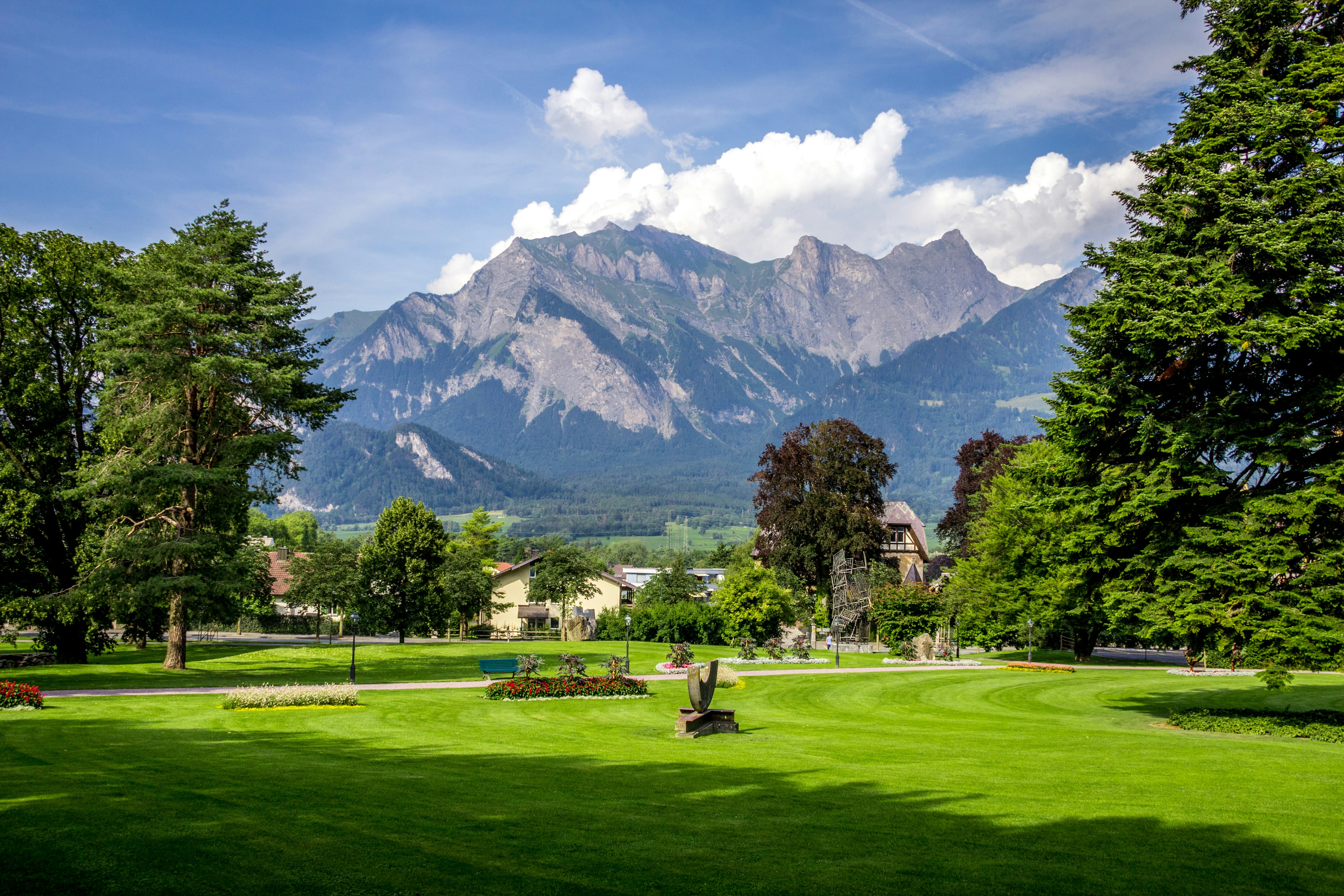
Swiss mountains demand respect; weather changes rapidly from clear blue skies to thunderstorms in minutes, and trails are well-marked but challenging with significant elevation gains that catch inexperienced hikers unprepared. Start hiking early—ideally before 8am for substantial routes—to complete routes before afternoon storms develop, which regularly sweep across alpine ridges with little warning. Bring weather-appropriate layers, including rain protection (even lightweight rain jackets suffice), even for summer hikes where you expect sunshine; temperature drops approximately 1 degree Celsius per 100 meters of elevation gain, meaning a 3000-meter hike can feel 30 degrees cooler at the summit than the starting point. Download offline maps (available through SBB app or hiking-specific apps like Schweizer Wanderwege) and carry physical hiking maps purchased at train stations (CHF 10-15), as cell coverage is unreliable at elevations and battery drain occurs rapidly at high altitude in cold temperatures. Wear proper hiking boots with good ankle support rather than casual sneakers; Swiss trails follow mountain contours rather than ascending straight up, and twisted ankles far from civilization become medical emergencies requiring costly helicopter evacuation. Never underestimate distance or difficulty of alpine routes—trails marked yellow for easy hikers might involve 1000-meter elevation gains that take 5-6 hours; cable car descents allow hiking-down rather than round-trip climbs. Mountain huts maintain registers; local wardens notice if you haven't returned and alert rescue services, but waiting for rescue costs thousands of francs in helicopter fees (typically CHF 3000-5000). Proper preparation—understanding your fitness level, choosing appropriate routes, starting early, carrying maps—transforms mountain hiking from potentially dangerous to genuinely enjoyable.
Seasonal Planning & Weather Considerations: Choosing Your Window
Summer (June-September) offers warm weather, accessible mountain trails, and operating cable cars, though expect higher prices, crowded trains, and full accommodations—booking mountain hotels 2-3 months in advance becomes necessary. Peak summer (July-August) sees hiking trails almost congested, particularly popular routes like Jungfraujoch, so traveling in shoulder months (June or September) offers similar experiences with fewer crowds and slightly lower prices. Spring (April-May) brings spectacular wildflower blooms—alpine meadows transform into flower carpets that photograph magnificently—and markedly fewer visitors, though higher elevations may remain snowy, restricting high-altitude hikes; many hiking routes above 2500m remain snowbound until late June. Fall (September-October) offers arguably the best hiking conditions: warm sunny days, low humidity, excellent visibility for mountain photography, autumn foliage transforming larch forests gold and orange, and distinctly fewer tourists than peak summer—a September hike can feel like having mountains to yourself compared to July crowds. Winter (November-March) provides skiing, snowshoeing, and genuine snow sports but closes many mountain trails and higher-elevation attractions; cable cars stop running to some peaks during winter maintenance, train travel is possible but mountain roads become impassable, and accommodation in alpine villages can shutter. Weather timing matters: mountain regions can experience entirely different conditions than valleys—if it's raining in Interlaken, the mountains 1000 meters above might have clear skies, or vice versa. Weather forecasts update multiple times daily; checking forecasts evening before hiking trips and adjusting plans based on predictions prevents unpleasant surprises.
Documentation & Practical Arrangements: Before You Depart
Indian citizens are exempt from Swiss visa requirements for stays up to 90 days; however, ensure your passport has 6 months validity beyond your return date—immigration officers verify this consistently. Switzerland is not an EU member but respects Schengen agreements, meaning immigration procedures are streamlined and border controls minimal; however, Swiss laws differ from EU countries, particularly regarding environmental regulations and work permits. Carry travel insurance covering mountain sports and potential evacuation, as mountain rescue operations are expensive—helicopter rescues average CHF 3000-5000, and even hospital treatment without insurance incurs hefty costs; many insurers exclude high-altitude mountaineering, so verify coverage details before purchasing. Most areas accept cards (Visa/Mastercard), but carry some Swiss francs (CHF) for small establishments and tips, as cash remains common outside major tourist areas—ATMs (labeled BANCOMAT) are ubiquitous even in small villages, dispensing CHF reliably. Credit card fees for currency conversion sometimes exceed ATM fees, so obtaining CHF directly from ATMs usually proves cheapest; avoid airport exchanges which charge premium rates. Tipping in Switzerland isn't obligatory but appreciated—rounding bills up slightly or adding 5-10% for excellent service is customary, though many restaurants include service charges in bills (check receipts). Accommodation reservations through Booking.com, Airbnb, or direct hotel booking suffice for most travel, but mountain huts sometimes require booking weeks in advance during summer peak season. SIM cards from Swiss providers (Swisscom, Sunrise, Salt) offer better rates than international roaming; many visitors simply purchase local prepaid SIM cards in Switzerland upon arrival. Electrical outlets use Type J (three-round-holes) Swiss standard; adapters are inexpensive and essential.