Desert Aesthetics: Minimalism & Transcendent Emptiness
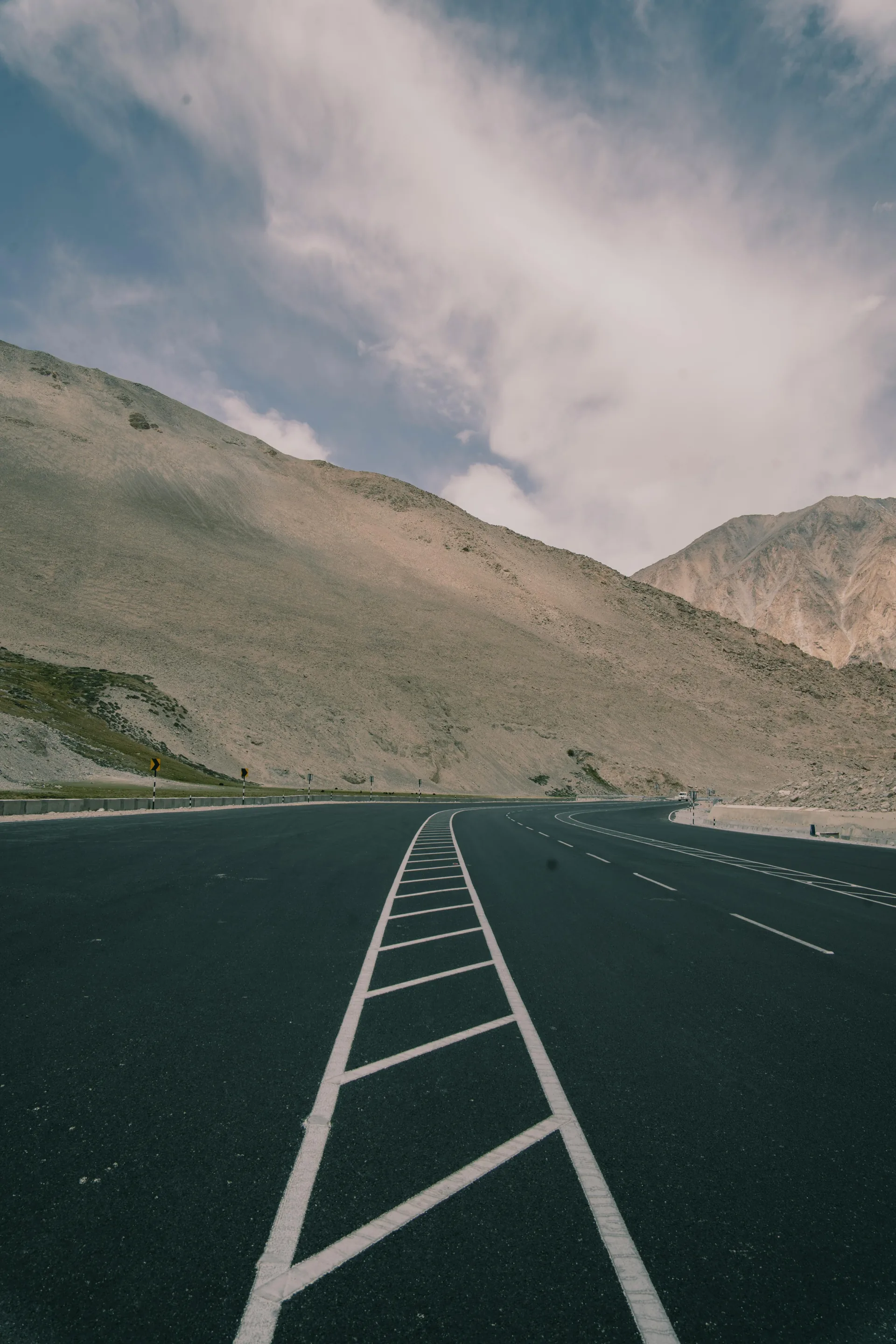
Ladakh's high-altitude deserts present an aesthetic experience of profound emptiness—vast expanses of rocky terrain, sparse vegetation, minimal water, and human settlements separated by substantial distances create landscape where emptiness becomes the dominant sensory phenomenon. This emptiness differs fundamentally from deprivation; rather than feeling abandoned, many travelers experience emptiness as liberating, with minimal stimulation allowing consciousness to settle into present-moment awareness unconstrained by constant sensory input characterizing normal environments. The desert's dramatic geology—layered mountains displaying rainbow-colored mineral formations, stark rock formations creating monumental shapes—provides aesthetic richness within overall visual minimalism, offering contemplative engagement without overwhelming sensory complexity. The clarity of air at altitude enables visibility extending dozens of kilometers, creating perspective where distance becomes tangible and landscape scale becomes intellectually comprehensible, generating awe-struck recognition of human smallness within geological grandeur.
Loneliness Transformed: Solitude as Spiritual Practice
Loneliness in Ladakh's remote locations transforms from painful emotion into contemplative solitude through the environment's inherent spiritual power and the traveler's psychological openness to experiencing isolation positively. The absence of familiar stimuli—no constant notifications, ambient noise, or social performance requirements—creates psychological space where internal processes become audible and personal truths emerge unconstrained by social filtering. Multi-day journeys through remote valleys, nights spent in small villages or tented camps, and extended periods without human contact facilitate emotional processing and consciousness expansion impossible within normal social contexts demanding constant external engagement. Travelers report that Ladakh's loneliness reveals previously invisible dimensions of consciousness—spiritual experiences, emotional breakthroughs, philosophical insights—suggesting that isolation in spiritually powerful places catalyzes psychological transformation.
The Last Light: Photographic & Spiritual Dimensions
Ladakh's high-altitude location and clear skies create unique light qualities where sunrise and sunset hours extend dramatically, with extended periods of golden-hour light transforming landscapes through constant subtle color shifts. The term 'last light' references the brief period when sun approaches horizon while still illuminating distant peaks, creating visual drama where mountains seem to glow internally while surrounding landscape darkens toward shadow. This liminal period between day and night possesses spiritual significance across cultures, with Ladakh's dramatically extended last light periods providing extended contemplative space where boundary between material world and transcendent dimension becomes perceptible. Photography during last light becomes meditation rather than technical documentation, with the need to work with rapidly changing light requiring full presence and surrender to conditions beyond personal control.
Human Resilience: Communities in Extreme Environments
Ladakhi communities have inhabited extreme high-altitude deserts for thousands of years, developing sophisticated knowledge systems, agricultural innovations, and cultural practices enabling thriving rather than mere survival amid conditions that would defeat unprepared populations. Nomadic pastoralist communities continue traditional herding practices, adapting animal husbandry to seasonal movements and resource availability in ways that resist simplistic modernization pressures. Visiting these communities reveals human capacity for adaptation, resilience, and cultural maintenance against extraordinary environmental constraints, providing inspiring perspective on human potential and flexibility. The communities' contemporary challenges—climate change altering snow patterns, youth migration toward urban centers, tourism development transforming traditional economies—manifest real tensions between tradition and modernity that visitors benefit from understanding with nuance and respect.
Integration: Carrying Ladakh's Lessons Forward
Experiences of profound loneliness and vast emptiness in Ladakh's deserts typically persist long after travel concludes, with memories of silence, solitude, and barren beauty continuing to influence consciousness and provide reference points for psychological grounding. The clarity of perspective achieved through extended time in high-altitude deserts—recognition of what matters, what constitutes meaningful existence, what anxieties dissolve when removed from social reinforcement—often catalyzes lifestyle modifications and value reassessments upon return to normal life. Maintaining practices facilitating continued connection with Ladakh consciousness—meditation, wilderness time, digital disconnection—enables preservation of insights initiated by desert solitude. Recognizing that Ladakh represents psychological destination rather than merely geographical location encourages ongoing engagement with landscapes and practices supporting the consciousness state that Ladakh catalyzed, ensuring transformative travel experiences generate permanent benefits rather than transient memories.