Mastering the Climate: Timing Your Visit for Comfort and Clarity
Uttar Pradesh experiences extreme temperatures—scorching heat from May to September exceeding 40°C, making this period uncomfortable for sightseeing despite lower tourist crowds. October through February provides the ideal window with pleasant daytime temperatures of 15-30°C, clear skies perfect for photography, and manageable humidity levels. March and April are acceptable though progressively hotter, but you'll still avoid the pre-monsoon dust storms that reduce visibility at monuments. Pack lightweight cotton clothing, a wide-brimmed hat, high-SPF sunscreen, and stay hydrated with at least 3 liters of water daily, as Uttar Pradesh's dry air and exertion from walking ancient monuments increases dehydration risk significantly.
Navigating Crowds: Strategic Timing and Alternative Routes
Arrive at major attractions like the Taj Mahal at 6:00 AM when gates open, providing peaceful early light ideal for photography while crowds remain manageable until 9:00 AM. Visit temples during non-peak hours (2:00 PM to 4:00 PM) when most tourists rest, allowing personal time with priests and deeper spiritual engagement without rushed energy. Use the monsoon season (July-September) as a secret advantage—fewer tourists, lush green landscapes, and refreshing rains transform Uttar Pradesh into a quieter, more introspective destination for spiritually inclined travelers. Book skip-the-line tickets in advance through official websites to bypass queues that can stretch 2-3 hours during peak season at popular monuments.
Cultural Etiquette: Showing Respect While Exploring Sacred Spaces
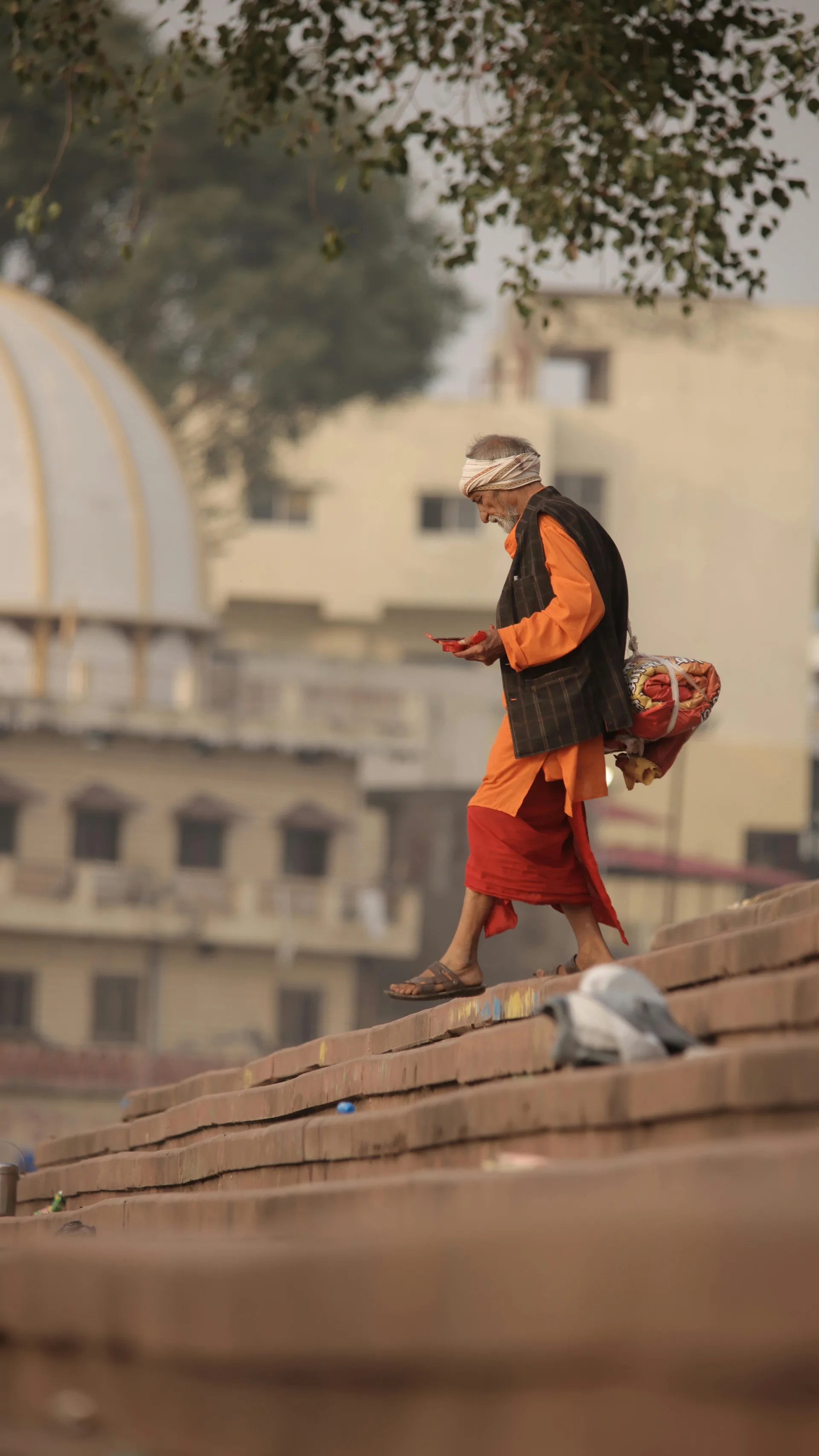
Remove shoes before entering temples and sacred areas—this isn't just a rule but a demonstration of reverence that locals deeply appreciate, often creating unexpected conversations with temple priests who enjoy explaining rituals to respectful visitors. Dress modestly, covering shoulders, chest, and knees, as revealing clothing can be considered disrespectful in deeply religious environments and may restrict access to certain inner sanctums in temples. Accept prasad (blessed food) with your right hand when offered by priests, as the right hand is traditionally considered pure in Indian culture—refusing can seem insulting even when unintended. Ask permission before photographing people, rituals, or cremation ghats, recognizing that some moments are sacred for personal spiritual practice, not external documentation.
Practical Logistics: Transportation and Accommodation Strategies
Use India's extensive railway network connecting Agra, Lucknow, and Varanasi for affordable, comfortable travel that provides cultural immersion—booking overnight trains saves accommodation costs while you sleep and eliminates travel time from your sightseeing schedule. Stay in heritage hotels or ashrams in Varanasi and Vrindavan for authentic experiences at reasonable prices, though amenities may be basic compared to commercial hotels. Hire local guides who speak your language and hold government tourism licenses—they provide context that transforms monument visits from sightseeing into historical narratives, often arranging access to hidden courtyards and private temples closed to independent travelers.
Health and Safety Essentials for Extended Uttar Pradesh Exploration
Carry reliable anti-diarrheal medication and water purification tablets, as water quality varies significantly across the state, and street food, while delicious, requires a cautious approach for visitors with sensitive digestive systems. Visit vaccination clinics before traveling to ensure protection against typhoid and hepatitis A, common health concerns in India, and carry proof of COVID-19 vaccination documentation for potential travel requirements. Register your travel itinerary with your embassy, as security situations can change, and maintain travel insurance covering medical evacuation—Uttar Pradesh's remote spiritual centers and smaller towns may lack advanced medical facilities.