Hanoi: Ancient Capital's Frenetic Energy
Hanoi, Vietnam's 1,000-year-old capital, pulses with controlled chaos where millions of motorbikes navigate narrow streets lined with colonial architecture, ancient temples, and street vendors selling pho, banh mi, and coffee. The Old Quarter's maze of narrow alleys, each traditionally dedicated to specific trades (silk street, silver street, paper street), preserves medieval urban character while serving modern commerce. Lake Hoan Kiem, Hanoi's heart, provides peaceful respite where locals practice tai chi at dawn and couples stroll during evening hours, creating quintessential Vietnamese atmosphere accessible without leaving city center.
The Temple of Literature, Vietnam's first university (1070 AD), showcases Confucian heritage while the Ho Chi Minh Mausoleum represents revolutionary history—visiting both provides balanced perspective on Vietnamese values spanning centuries. Water puppetry performances, traditional art form unique to northern Vietnam, depict rural life and folklore through intricate puppet choreography on water stages—these performances, refined over centuries, offer cultural immersion impossible through guidebook study. Street food tours, organized by local guides, reveal how Hanoi's culinary traditions sustain themselves through family recipes passed across generations.
Staying 3-4 days permits exploration of major temples, museums, water puppetry performances, and neighborhood wandering revealing Hanoi life beyond tourist routes. The city's pace demands deliberate slowness—rushing diminishes experience quality. Early morning motorbike tours through backstreet neighborhoods, cycling through rural areas surrounding the city, or simply sitting at street-side cafes observing urban rhythms provides deeper cultural connection than structured activities.
Ha Long Bay: Geological Wonder & Maritime Magic
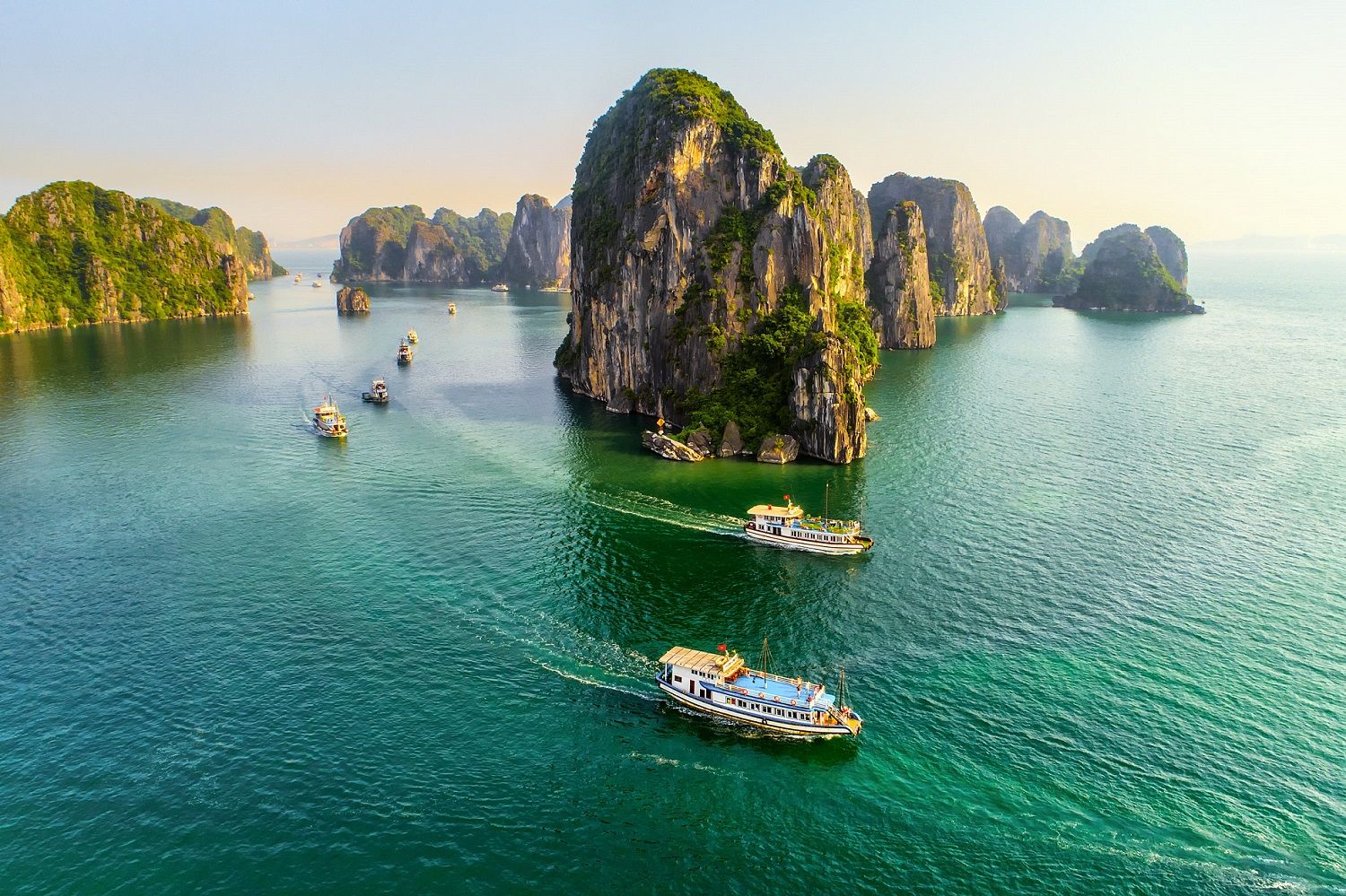
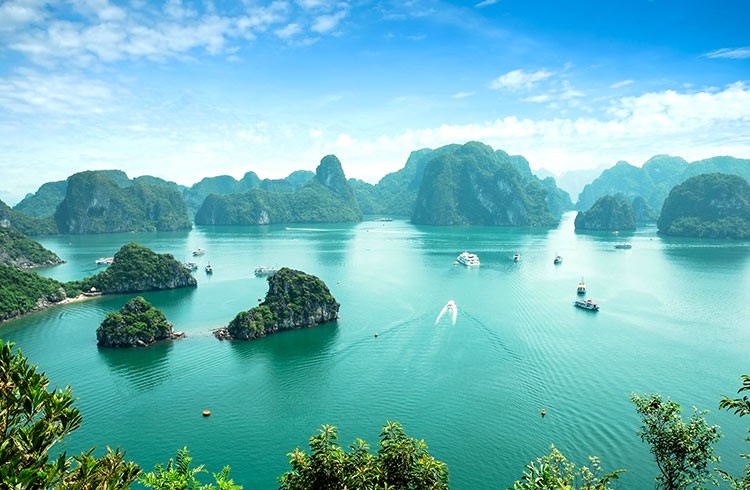
Ha Long Bay, UNESCO World Heritage Site featuring 1,969 limestone islands rising dramatically from emerald waters, represents Vietnam's most iconic natural wonder. Overnight boat cruises through towering karst formations, hidden grottos, and floating villages create experiences rivaling world's most remarkable landscapes. Kayaking through narrow passages between islands, swimming in sheltered coves, and watching sunset paint limestone cliffs golden provide sensory immersion impossible on day trips.
Floating villages inhabited by ethnic minorities maintaining seafaring traditions for generations reveal alternative lifestyles adapted to marine environments. Visiting family-run fish farms, observing traditional fishing techniques, and sharing meals with local families provides cultural encounters transcending typical tourism. The ecological fragility of Ha Long Bay—threatened by overcrowding and pollution—makes choosing responsible tour operators essential; limiting group sizes and supporting conservation efforts ensures this wonder survives for future generations.
A 2-3 day Ha Long Bay experience (typically overnight cruise plus exploring islands and grottoes) balances sufficient time experiencing geological magnificence with reasonable travel schedules. Peak season (November-April) provides optimal weather and water clarity; monsoon season (May-September) brings fewer tourists but daily afternoon rains and choppy waters.
Ho Chi Minh City & Mekong Delta: South's Contrasts
Ho Chi Minh City (formerly Saigon), Vietnam's commercial hub, contrasts sharply with Hanoi's historical austerity—modern skyscrapers, shopping centers, and contemporary culture coexist with war remnants and colonial architecture. The War Remnants Museum documents Vietnam's war experiences through sobering photography, documentation, and preserved weapons—emotionally intense but essential for understanding Vietnamese perspective on recent history. Ben Thanh Market, Central Post Office, and Jade Emperor Pagoda provide cultural variety within compact central district.
The Mekong Delta, Vietnam's agricultural heartland, comprises nine provinces where rivers, canals, and rice paddies dominate landscapes. Boat tours through floating markets, observing farmers cultivating rice and tropical fruit, and participating in food preparation at homestays reveal rural Vietnamese life dependent on river rhythms. Visiting family-run coconut candy workshops, tropical fruit orchards, and aquaculture facilities demonstrates sustainable livelihoods adapting to environmental constraints.
A complete Vietnam circuit (10-14 days) combines Hanoi (3-4 days), Ha Long Bay (2-3 days), journey south via train or flight, Ho Chi Minh City (2-3 days), and Mekong Delta (2-3 days). The train journey itself—couchette berths, street vendors boarding at stations, views of rural countryside—becomes part of the adventure rather than mere transportation.
War History & Reconciliation: Understanding Vietnam
Vietnam's recent war history shapes national identity profoundly; visiting war-related sites provides essential context for contemporary Vietnam. War Remnants Museum, Cu Chi Tunnels (underground networks where Viet Cong operated), and DMZ (demilitarized zone separating north and south historically) document suffering while demonstrating Vietnamese resilience and reconciliation. Understanding that Vietnamese people prioritize moving forward rather than dwelling on conflict reveals cultural strength.
Street Food Culture: Culinary Gateway
Vietnamese cuisine, celebrated globally, excels particularly in street food—banh mi (Vietnamese sandwich), pho (noodle soup), spring rolls, and coffee represent accessible entry points to Vietnamese culinary tradition. Street food tours maximize cultural immersion while supporting small vendors whose livelihoods depend on tourism. Learning to eat with chopsticks, attempting unfamiliar dishes, and accepting spice levels reflects openness appreciated by Vietnamese hosts.