Safety Infrastructure & Ground Realities
Kashmir's tourism infrastructure has substantially improved post-2019, with hotels, restaurants, and transportation services operating normally while security measures remain visible but manageable for prepared travelers. Tourist checkpoints occur sporadically on major routes; cooperate politely, answer questions directly, and avoid photographing military personnel or security installations which remain sensitive topics. Hire experienced local drivers familiar with current conditions and checkpoint locations, as their knowledge streamlines passage and demonstrates security awareness that benefits safety. Maintain updated travel insurance explicitly covering Kashmir travel, as some policies exclude politically sensitive regions; verify coverage before departure and keep policy documentation accessible. Register with your embassy before traveling, providing itinerary details enabling rapid communication if emergencies arise; while unlikely, this precaution provides essential support if unexpected situations develop.
Cultural Respect & Community Engagement
Dress conservatively throughout Kashmir—full-length pants and covered shoulders respect local religious and cultural norms, particularly in smaller towns and rural areas where revealing clothing marks you as disrespectful. Visit during appropriate hours, avoiding late-night activities that attract unwanted attention and demonstrate disrespect for community curfew cultures developed through security experiences. Seek permission before photographing people, mosques, or religious ceremonies; respecting privacy demonstrates cultural sensitivity and builds goodwill with communities understandably cautious about documentation in politically sensitive context. Learn basic Kashmiri phrases and demonstrate genuine interest in local perspectives; conversations with locals reveal nuanced understanding of contemporary Kashmir often invisible in tourism materials, fostering mutual respect transcending typical tourist-local dynamics.
Practical Logistics & Health Considerations
Book accommodations and transportation in advance rather than relying on walk-up availability; advance bookings ensure reliability while supporting established businesses with good safety records. Carry adequate medications and first aid supplies, as remote areas lack pharmacy access and medical facilities operate below urban standards; pre-departure consultations with travel medicine specialists address individual health concerns relevant to high-altitude mountain travel. Maintain copies of important documents (passport, visas, insurance) separately from originals, enabling replacement if loss occurs; digital copies stored securely in cloud services provide additional backup access. Stay informed through reliable news sources and embassy advisories rather than social media rumors; verified information enables accurate risk assessment and appropriate precautions without paranoia undermining enjoyment.
Transportation Safety & Route Planning
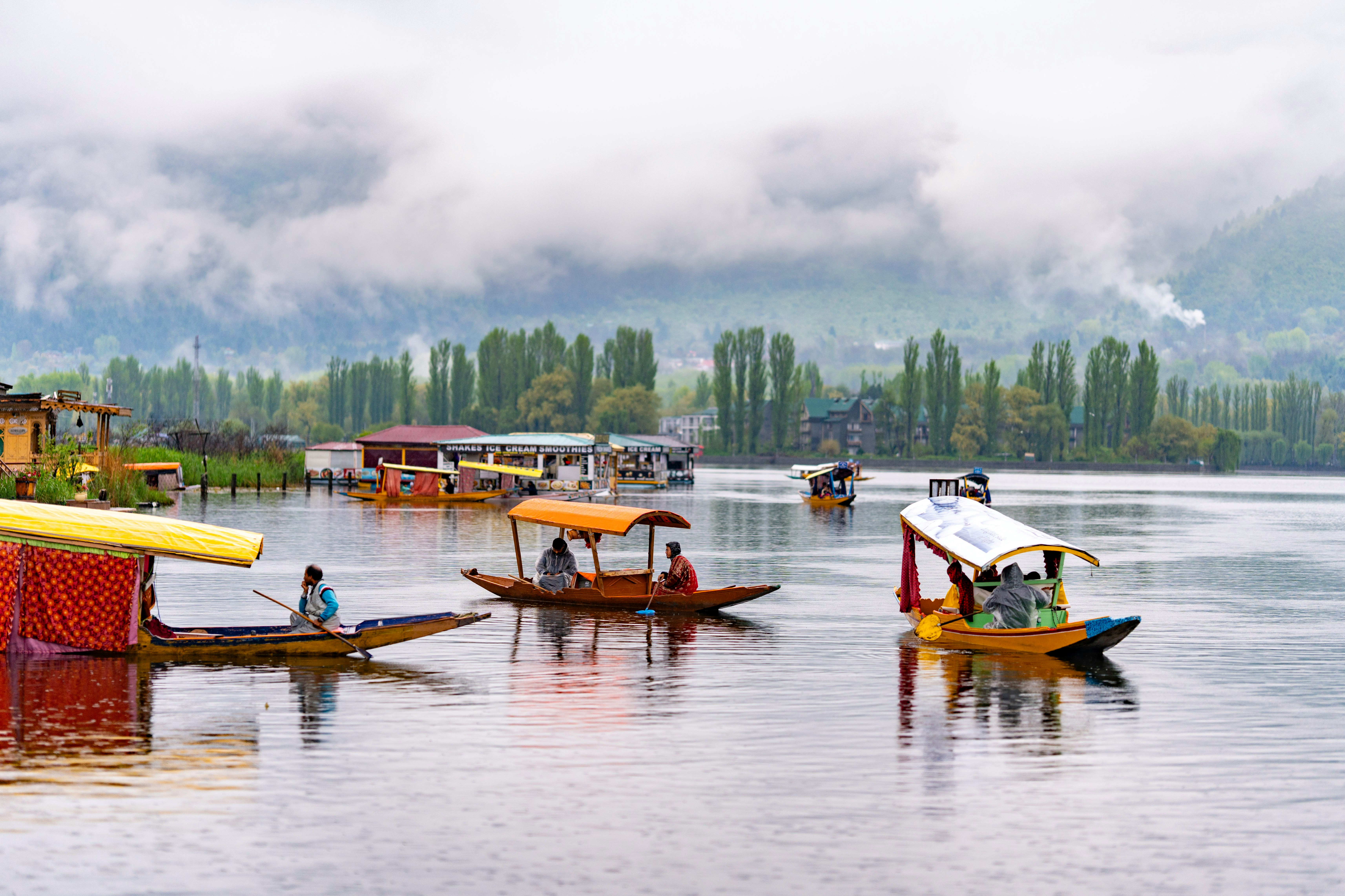
Hire private transportation rather than relying on public buses; experienced drivers understand road conditions, weather patterns, and security situations enabling safe passage. Confirm vehicle mechanical reliability before extended journeys; mountain roads demand functional brakes, sturdy tires, and reliable engines non-negotiable for safety. Avoid night driving when possible, as visibility decreases substantially and risks increase; daytime travel through difficult terrain provides essential safety margins. Maintain flexibility in itineraries allowing route adjustments due to weather, security situations, or mechanical issues; rigid planning creates frustration and safety risks when unexpected changes become necessary. Carry communication devices (satellite phones in very remote areas) enabling emergency contact if stranded or encountering difficulties; connectivity remains limited in mountainous regions requiring alternative communication methods.
Behavioral Boundaries & Political Sensitivity
Avoid photographing military operations, security personnel, or critical infrastructure; these remain legitimate security concerns in politically sensitive regions and respecting boundaries demonstrates maturity. Refrain from making political comments or taking political positions; tourism isn't appropriate platform for foreign visitors to advocate regarding complex governance issues, and such behavior can create uncomfortable situations or safety concerns. Accept that development hasn't reached all areas; infrastructure limitations aren't personal slights but reflect economic constraints and geographical challenges requiring patience and flexibility. Recognize that some communities may express frustration regarding political situations; listen respectfully without judgment or defensive responses, understanding that local perspectives emerge from lived experiences far more nuanced than external observers typically understand. Leave politics to political discussions and approach travel as cultural and environmental exploration respecting community complexity beyond tourism stereotypes.