The Otherworldly Quality: Where Geography Transcends Categories
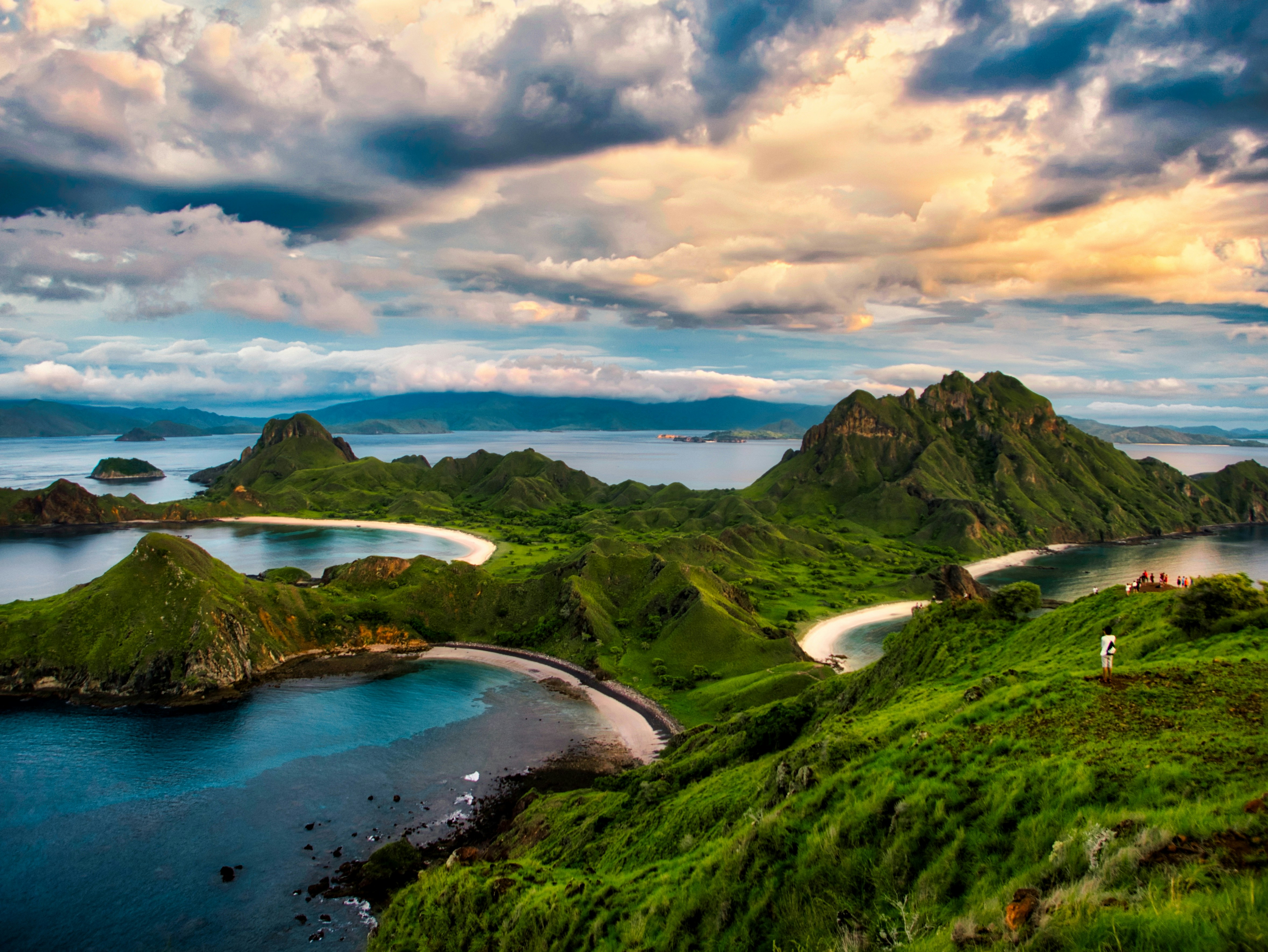
North East India feels geographically and culturally distinct from mainland India in ways triggering disorientation in visitors expecting familiar Indian stereotypes; the landscape, climate, vegetation, ethnic populations, and spiritual traditions create combination generating sensation that you've traveled to different country within India. The region's isolation through geographical barriers (Brahmaputra River, Himalayan foothills, dense forests, challenging terrain) created independent development trajectories where cultural evolution diverged fundamentally from mainland India—creating distinct languages, religious traditions, ethnic identities, and artistic practices. This otherness constitutes the region's primary appeal for travelers seeking India beyond the familiar Golden Triangle circuit; the sense of entering uncharted territory, discovering communities living outside mainstream Indian consciousness, and encountering landscapes unfamiliar despite their geographical location within India generates profound travel experiences.
Cultural Authenticity: Communities Maintaining Identity Against Pressures
North East communities have historically resisted cultural assimilation into dominant Indian traditions, maintaining distinct identities through language preservation, religious practice, and artistic traditions despite centuries of external pressures. Tribal communities particularly maintain pre-modern social structures, gender dynamics, and spiritual practices that offer alternative models to patriarchal hierarchies dominating mainland India—female inheritance practices, community councils, and environmental stewardship reflecting ecological awareness and social sophistication often overlooked by mainstream cultures. Christian communities in Meghalaya, Nagaland, and Mizoram (conversion outcome of British colonialism) have integrated Christianity with indigenous traditions creating unique syncretism; churches coexist with sacred sites maintaining tribal spiritual significance, demonstrating flexibility and cultural integration rather than religious conflict. These communities provide windows into alternative ways of organizing society, allocating resources, and constructing meaning—perspectives valuable for travelers questioning assumptions about inevitable progressions toward standardized modernity.
Natural Splendor: Landscapes of Abundance & Perpetual Renewal
The North East's exceptional rainfall creates perpetual verdancy and biological abundance contrasting sharply with arid regions dominating much of India; dense forests, abundant waterfalls, and prolific agriculture generate sensation that you inhabit living planet where growth and renewal occur continuously. The Western Ghats and Brahmaputra floodplains sustain some of India's highest biodiversity, with wildlife species and botanical richness supporting ecosystems of global significance. This natural splendor generates spiritual experiences through sheer environmental magnificence; standing amid waterfalls, walking through ancient forests, or observing wildlife in natural habitat creates awe and gratitude that facilitate consciousness expansion and appreciation for natural world's intrinsic value. The landscape's power suggests that spiritual experiences emerge naturally from environmental grandeur rather than requiring constructed temple structures or formal religious frameworks.
Marginalization & Its Paradoxes: Authentic Tourism in Undervisited Regions
North East's marginalization within Indian tourism consciousness paradoxically preserves authenticity; the region's exclusion from mainstream tourism circuits means communities haven't developed sanitized cultural performances for outsiders, maintaining genuine practices reflecting community values rather than tourist expectations. This authenticity creates richer travel experiences than mainstream destinations where culture has been commodified and performance-ified for consumption; interactions feel less like transactions and more like genuine human encounters. The region's economic dependence on agricultural and natural resource extraction (tea, timber, agriculture) rather than tourism creates different incentive structures where maintaining community integrity often takes precedence over maximizing tourism revenue, enabling visitors to experience communities pursuing genuine interests rather than serving tourism industry demands. Understanding marginalization's historical roots—colonial extractive practices, post-independence neglect, contemporary development disparities—deepens appreciation for communities' resilience and contemporary efforts maintaining cultural identity amid pressures toward mainstream homogenization.
The Magic: Encountering Transformation Through Unfamiliar Territory
The North East's fundamental otherness generates transformative travel experiences through confrontation with unfamiliar landscape, distinct communities, and alternative ways of organizing human existence. Travelers departing the North East report permanent perspective shifts—recognition of cultural relativity, understanding of alternative social possibilities, and appreciation for diversity that challenges singular assumptions about proper human organization. This transformative quality emerges through sustained engagement with difference rather than brief encounters; extended stays in villages, language learning attempts, and genuine relationship development with locals facilitate consciousness shifts that superficial tourism cannot achieve. The 'raw magic' of the Northeast fundamentally reflects this transformative potential; the region works on travelers at psychological and spiritual levels, altering consciousness through exposure to difference and generating travel experiences that prioritize internal transformation over external accomplishments or landmark collection.