A Warrior Spirit Etched in Stone: Architecture as Historical Testament
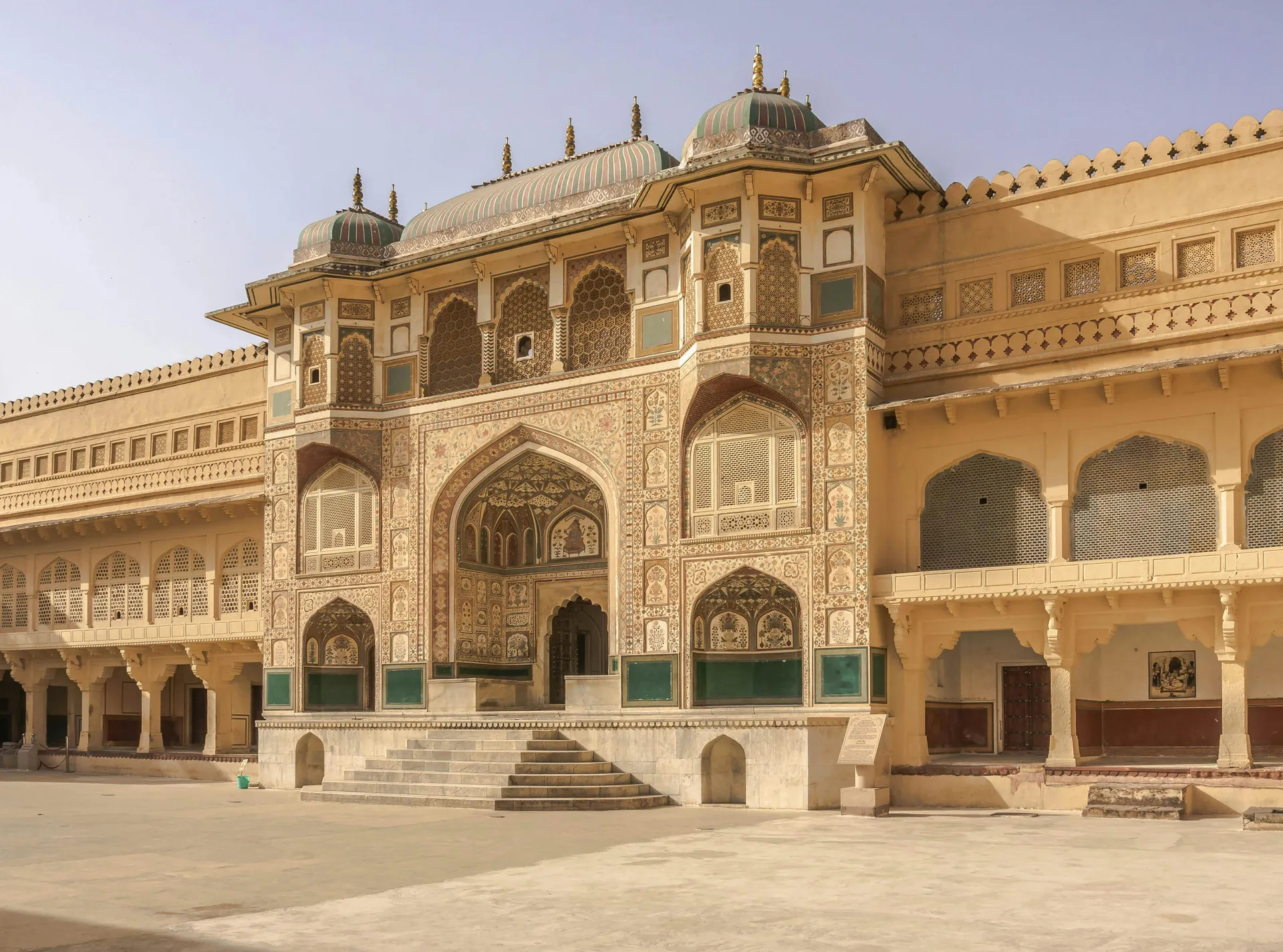
Rajasthan's architectural legacy represents centuries of defiant pride, with every fort, palace, and temple standing as monuments to kingdoms that refused subjugation despite overwhelming pressure from invading empires and internal conflicts that tested their resolve continuously. The massive bastions of Mehrangarh Fort rise 125 meters above Jodhpur, their sheer walls communicating an unshakeable determination to defend territory and honor against all odds—architectural statements that transcend their practical defensive functions. These structures weren't built merely for shelter but as declarations of identity, cultural continuity, and resistance, with ornamental details and spatial designs reflecting the philosophical worldviews of their creators. Walking through these spaces, you physically inhabit the mindset of rulers who believed their authority flowed from cosmic order, their architecture expressing this conviction through mathematical precision and symbolic embellishment that elevates functional buildings into spiritual expressions.
The Colors of Life: Spiritual Significance Beyond Aesthetic Beauty
Rajasthan's famous colors—the blue of Jodhpur, the pink of Jaipur, the golden hues of Jaisalmer—carry spiritual meanings reflecting Hindu cosmology, Sufi mysticism, and regional traditions developed through centuries of syncretism and cultural synthesis. The blue dye originally indicated Brahmin communities, creating visual markers of religious affiliation visible from rooftops, while the pink mandate of Jaipur's 1876 renovations symbolized hospitality for visiting Prince Albert, blending cultural values with political diplomacy in ways only Rajasthan achieved. These colors aren't arbitrary but emerge from local materials—natural indigo from plants, ochre from mineral deposits, lime-based pigments—connecting color choices to geographical resources and demonstrating how humans adapt to their environments while expressing cultural identity. Photography reveals that Rajasthan's color palette shifts throughout the day, with morning golden light, afternoon harsh brightness, and sunset orange transforming the same structures into different emotional experiences.
Desert Resilience: Surviving Scarcity as a Cultural Principle
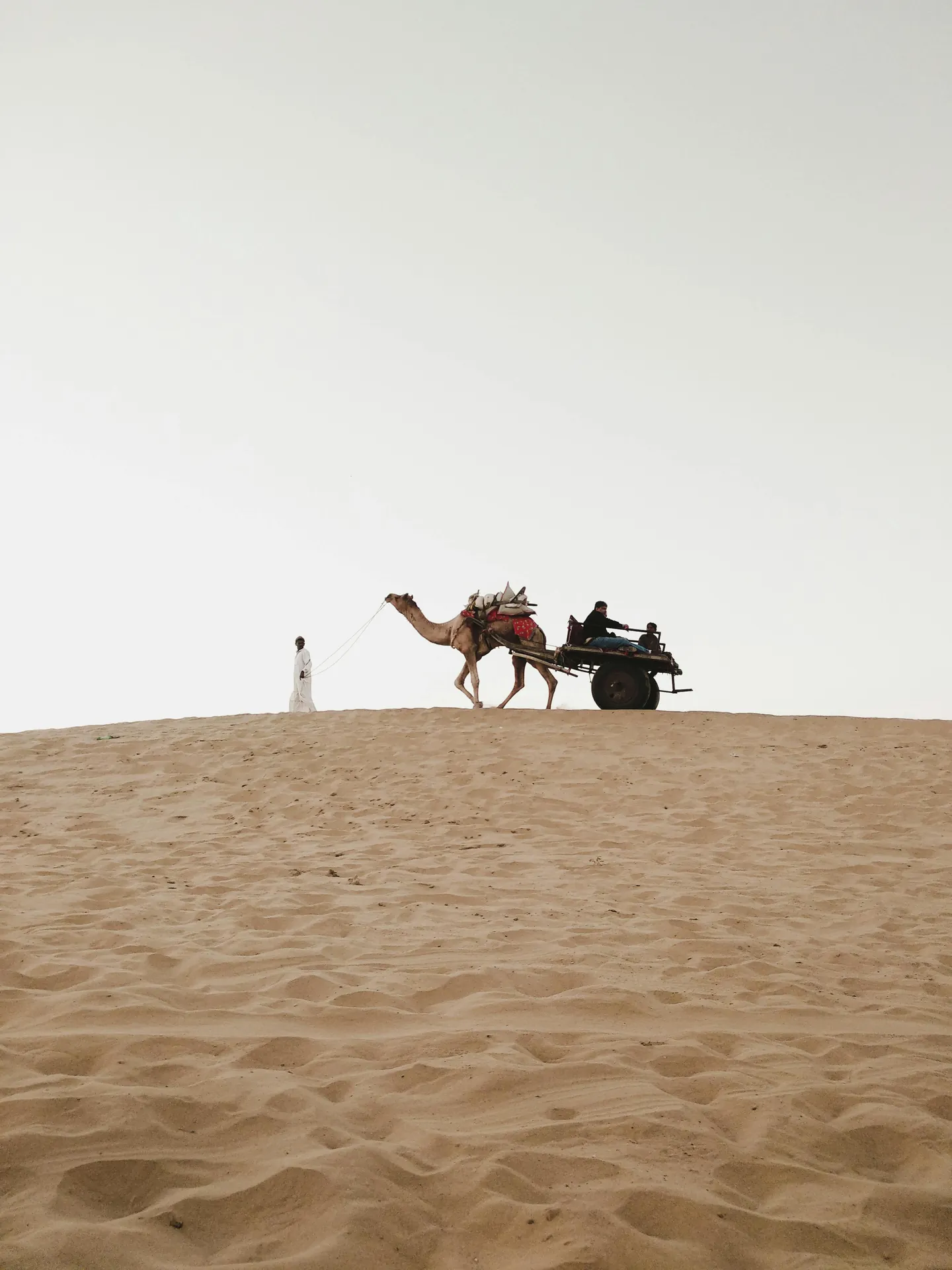
Rajasthan's arid climate forced development of water harvesting technologies, agricultural innovations, and communal cooperation traditions that created resilient societies capable of thriving where resources were perpetually scarce, establishing cultural values emphasizing conservation and sustainable practices centuries before modern environmentalism emerged. Traditional stepwells (baoris) descend 40+ meters, creating microclimates that preserve water, provide relief during brutal summers, and function as social gathering spaces where communities shared collective labor and celebrated seasonal transitions. The architecture of villages reflects this scarcity-consciousness, with tightly packed structures providing mutual shade, buildings oriented to maximize cool breezes, and materials chosen for thermal regulation rather than aesthetic preference. This lived experience of constraint created a cultural ethos valuing frugality, waste prevention, and collective resource management—principles that remain central to Rajasthani identity regardless of modern economic changes.
Where Mythology Breathes: Sacred Landscapes & Spiritual Practices
Rajasthan's sacred sites don't feel like tourist attractions but inhabited spiritual landscapes where pilgrims continue practices refined across millennia, with Mount Abu's temples, Pushkar's sacred lake, and Ajmer's Sufi dargah creating nodes of pilgrimage that connect ordinary devotees to transcendent spiritual experiences. The Pushkar Camel Fair combines commerce with ritual, transforming an annual event into a celebration where spirituality, culture, and economics interweave inseparably, demonstrating how Indian traditions resist Western categorizations separating sacred from secular. Local communities maintain these traditions through personal practice rather than institutional preservation, meaning genuine spiritual energy pervades these spaces rather than museum-like reverence that characterizes many managed heritage sites. Visiting during specific pilgrimage seasons or festivals provides opportunities to participate in actual community celebrations rather than viewing them as spectacles, creating authentic cultural exchanges.
Artistic Soul: From Royal Patrons to Village Artisans
Rajasthan's artistic traditions stretch from imperial courts employing master craftspeople to village communities maintaining traditional techniques through family apprenticeships, creating a continuous creative lineage connecting contemporary artisans to ancestors whose innovations shaped their practice. Miniature painting, block printing, marble inlay work, pottery, and textile creation represent accumulated knowledge encoded in techniques and aesthetic principles passed intergenerationally, with master artisans serving as living repositories of cultural wisdom. Supporting these artisans through direct purchases sustains communities while preserving traditions threatened by industrial manufacturing and mass production, making each purchase a political act affirming cultural value against commodification. The villages producing these crafts represent Rajasthan's beating heart, where authentic creativity flourishes despite economic pressures pushing toward homogenization.